💰 Vintage VW EMPI Parts Price Archive – Historical eBay Listings Since 2002
This page is no longer actively updated because vintage VW part prices continue to rise year after year.
However, it remains a valuable resource for enthusiasts and collectors interested in the historical pricing of rare EMPI parts.
Over the years, I’ve searched extensively on eBay and later on TheSamba.com to track down some of the rarest NOS (New Old Stock) EMPI accessories for classic Volkswagen Beetles, Buses, and Karmann Ghias. I used to find and purchase NOS EMPI parts almost weekly — now, I’m lucky to discover one or two each year that I don’t already own.
This extensive database offers insights into how much vintage VW parts were selling for on eBay dating back to early 2002, helping you understand market trends and the increasing value of these collectible items.
Item Description Guide
Each item has the following description:
Picture:
You can click on the picture to see a bigger version
Condition:
| N.O.S | New Old Stock - original, unused old inventory. |
| Rebuild | Rebuilt and looks like new. |
| MINT | Very good condition |
| Average | Average condition |
| Poor | Requires restoration. |
Complete/Missing parts
Information about completeness of the item
Sales price ($ or €)
Recorded sale price.
Country:
Country where the part was sold.
Date:
When the item was sold
Browse by Brand

















Judson Supercharger
Since 1880, the Judson family has been active in mechanical and electrical engineering. W. Haddon Judson was the prime mover in the development of the company and in the technical innovation of the supercharger aided by his brother Charles. New models were added steadily over the years until the full range included superchargers for MG TD, TF and MGA, Renault Dauphine, Triumph TR3 and 4, Mercedes 190SL, Volvo, Austin-Healey Sprite, the Corvair and of course two versions for Volkswagens.
| Photo/Picture | Description | Condition | Complete | Price | Date | Country |
|---|---|---|---|---|---|---|
|
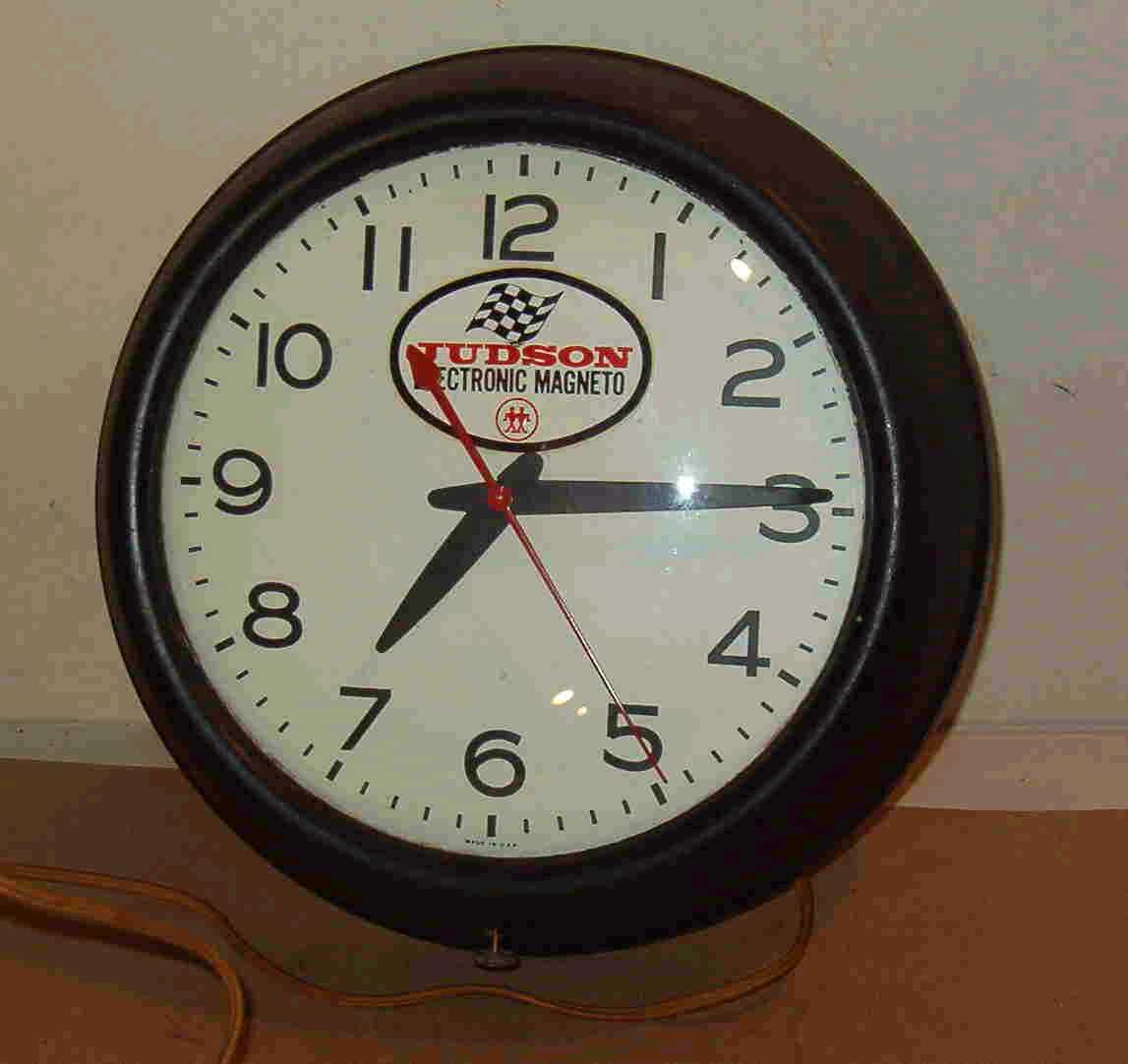
Clock with Judson logo NEW: It appears that it was a fake repro clock! |
Mint | 68€ | 2003 | U.S.A | |
|
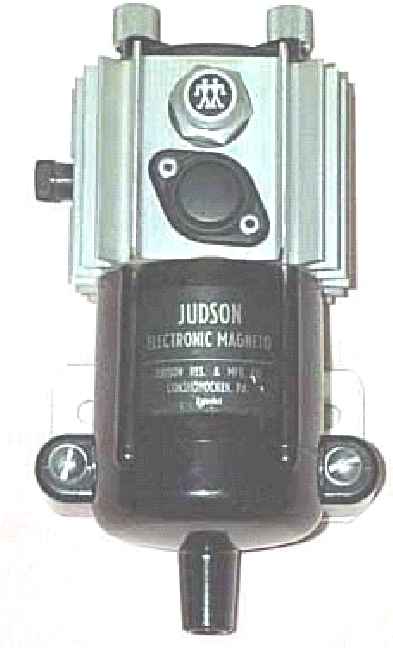
Coil |
N.O.S Mint Average Poor |
62$-210$ 66$-91$ 64$ 41$-70$ |
2002-2003 | U.S.A | |
|
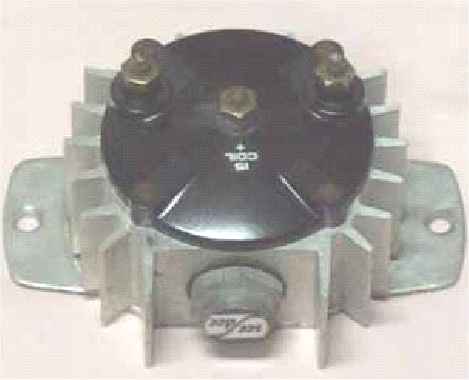
SEE/DEE |
N.O.S Mint Poor |
Yes Yes untested |
122-127$ 62$ 20$-31$ |
2002 | U.S.A |
|
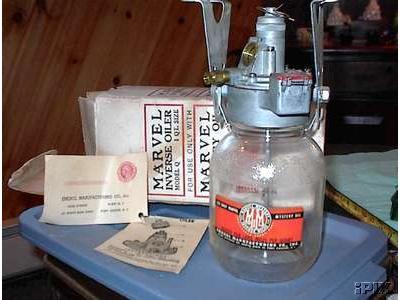
Marvel Oiler |
N.O.S Mint Average |
Yes |
115-256$ 82-102$ 85$ |
2002-2003 | U.S.A |
|
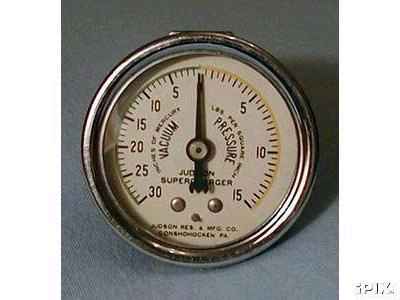
Judson gauge model 1 | Mint | Yes | 635€ | 04/2002 | U.S.A |
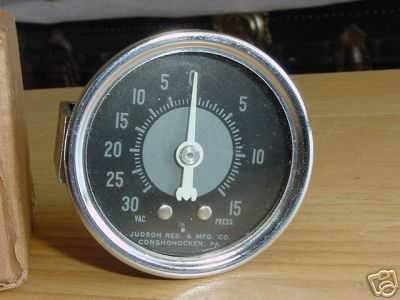
|
Judson gauge model 2 NEW: That's also a FAKE repro. Judson made only model 1 just above |
N.O.S | Yes | 1200$-1400$ | 2003 | U.S.A |
|
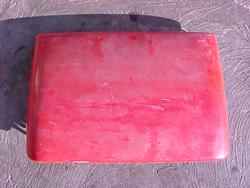
Judson scoop for KG | N.O.S | 230$ | 2002 | U.S.A | |
|
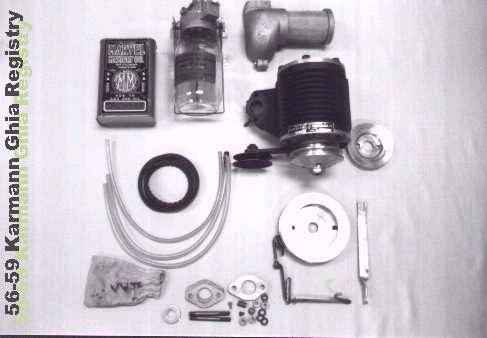
Judson Supercharger | N.O.S | 1500$-2000$ | 2002-2003 | U.S.A |
EMPI Parts
In the early 1950s Joe Vittone began a small import car (and motorcycle) dealership called Economotors in Riverside, Calif., one of America's earliest VW dealerships. Vittone focused on the economic transportation of the relatively new Volkswagen, a refreshing change from the big-finned Detroit cars being produced domestically at the time. Tired of inefficient cars that were more geared toward power and luxury and lacked engineering grace, Vittone and his dealership offered his customers a place in the infant VW aftermarket industry where they could find high-performance engine parts like stroker cranks, big bore pistons, dual port heads, legendary 48 IDA Webers and Speedwell's magnesium BRM wheels. Economotors (and later EMPI) pioneered the phenomenal developments of the Volkswagen's popularity among economic drivers and backyard mechanics.
| Photo/Picture | Description | Condition | Complete | Price | Date | Country | |
|---|---|---|---|---|---|---|---|
| steering wheelS / STEERING WHEELS | |||||||
|
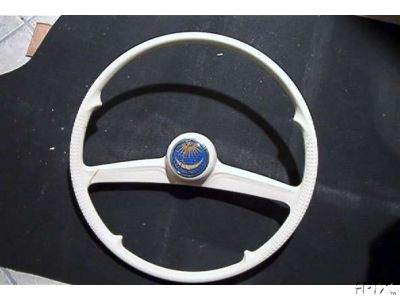
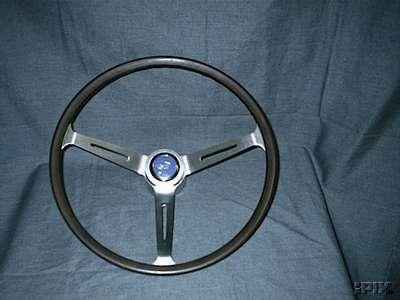
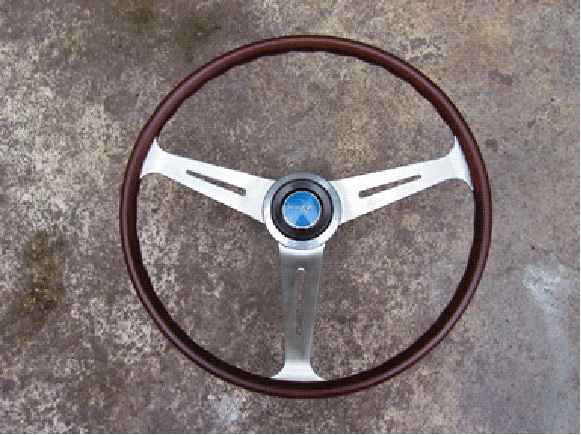
EMPI GTV wood steering wheel 14'' | Mint | Yes | 600$ 400$ |
2002-2004 2003 |
U.S.A | |
|
EMPI steering wheel for Type 3 | Mint | Yes | 300$ | 02/2002 | U.S.A | |
|
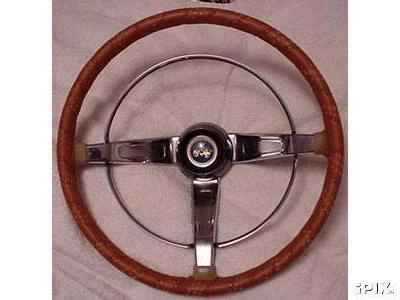
EMPI Petri 15" steering wheel 1960-65 |
Rebuild Mint Average Poor |
Yes |
163$ 206$-480$ 157$-230€ 152$-221$ |
2004 2002-04 |
U.S.A Alle./U.S.A |
|
|
|
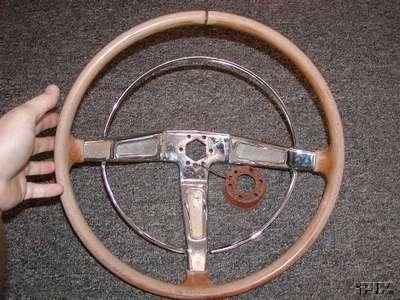
EMPI Speedwell leather steering wheel | Poor | Yes | 200$ | 04/2002 | U.S.A | |
|
EMPI 15" leather steering wheel | Poor | No | 75$ | 03/2002 | U.S.A | |
|
|
EMPI 14 inch (380mm) Empi GT Deluxe big button Steering wheel | N.O.S | No | 860$ | 2004 | U.S.A | |
| JANTES / WHEELS / SHOCKS | |||||||
|
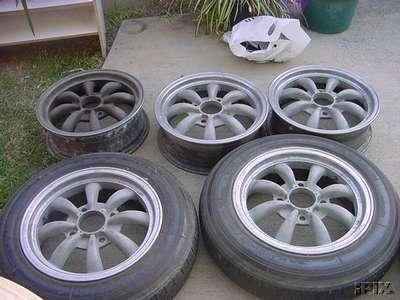
EMPI 5 jantes 8 branches 3 jantes 8 branches 4 trous |
Average Average |
Yes Yes |
400$ 200$ |
2002 | U.S.A | |
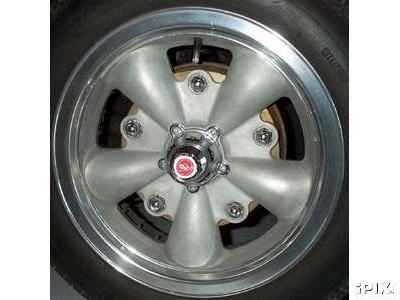
|
EMPI 5 jantes 5 branches | Mint | Yes | 810$-1200$ | 2002-2004 | U.S.A | |
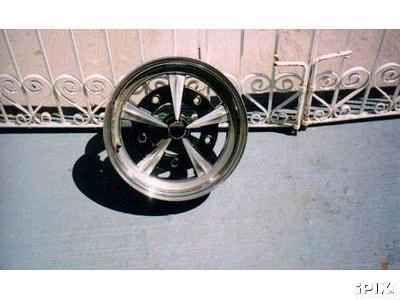
|
5 Jantes rader branches diamant 4 jantes Rader branches diamant 4 jantes Rader branches plates 4 jantes Rader branches diamant 2 jantes rader diamants 1 jante Rader diamant 1 jante Rader diamant 1 jante Rader diamant |
Mint Mint Mint Average Poor Poor Mint Mint |
YES Yes Yes without center ring without center ring without center ring without center ring with rond central |
3000$ 1900$ 1500$ 860$ 540$ 217$-350$ 317$ 500$ |
2002-06 | U.S.A | |
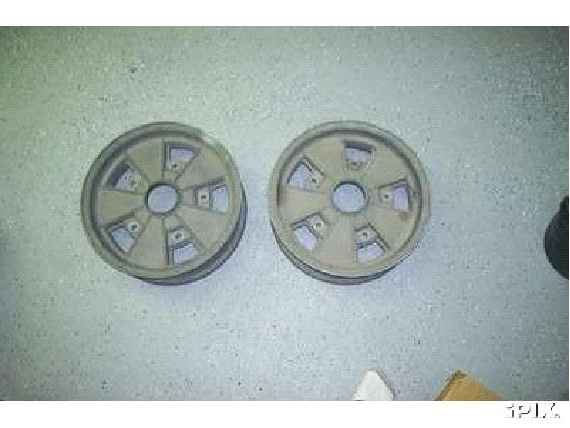
|
2 BRM rims 1 BRM rim |
Average Poor |
? |
715$-1000$ 426$ |
2002-05 | U.S.A | |
| MANOS / GAUGES | |||||||
| EMPI NOS gauges (without T) NOS dashboard with gauges |
N.O.S | Yes | 1575$ | 2007 | U.S.A | ||
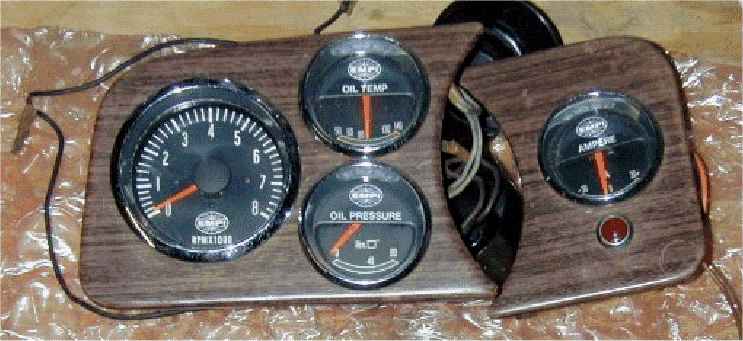
|
EMPI orange needle gauges Complete dashboard with gauges |
N.O.S Mint |
Yes without senders |
700$-1500$ 475$-1475$ |
2002-2005 | U.S.A | |
| Empi mechanical gauges manufactured by Autotemp of Sweden. | Mint | without senders | 900€ | 2005 | France | ||
|
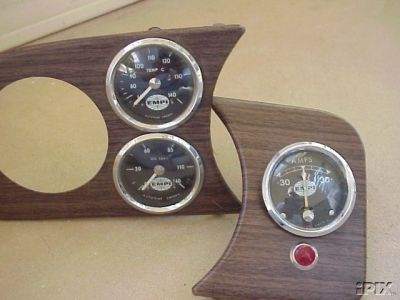
Empi mechanical gauges manufactured by Autotemp of Sweden. This set includes oil temperature, oil pressure and amperage gauges. | Mint | without senders | 350$-400$ | 2002-2004 | U.S.A | |

|
EMPI ammeter + original grill | Mint | Yes | 194$ | 2003 | U.S.A | |
|
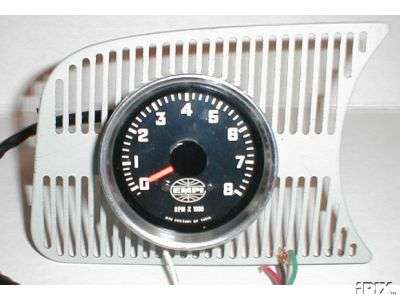
Electronic EMPI tachometer 12V (1970-1972) (without grill) | Mint | 152$-458$ | 2003-2006 | U.S.A | ||
|
NOS Empi tachometer 12 v, 1970-1971 |
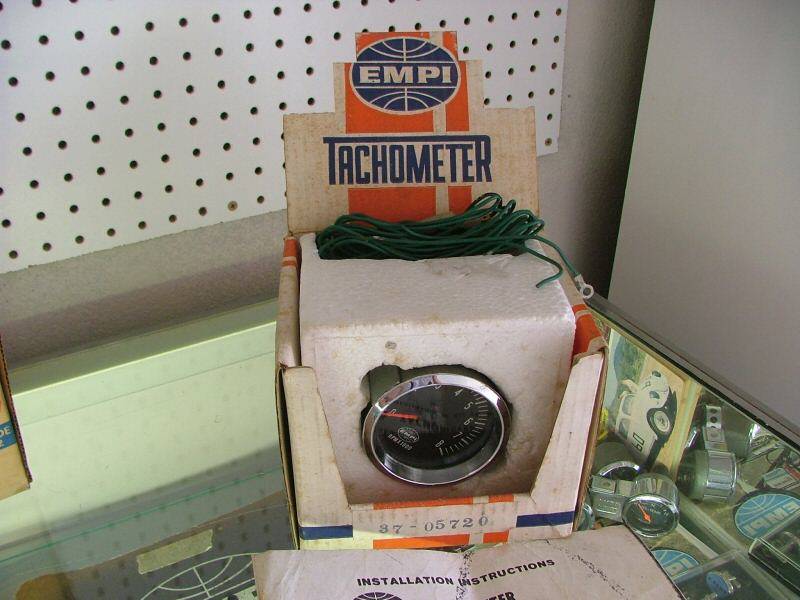
N.O.S | 472$-750$ | 2004-2007 | U.S.A | ||
|
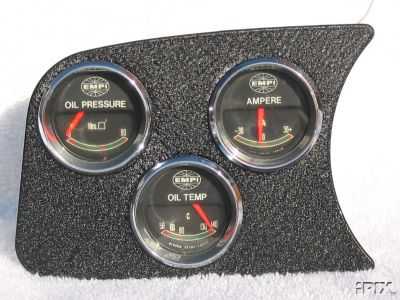
EMPI 3 manos électriques (oil pressure, oil temperature and ammeter) Early 1970s |
Mint | without sender | 417$-586$ | 2003 | U.S.A | |

|
EMPI mechanical oil pressure gauge + ammeter 1960s |
Poor | without sender | 255$ | 2004 | U.S.A | |
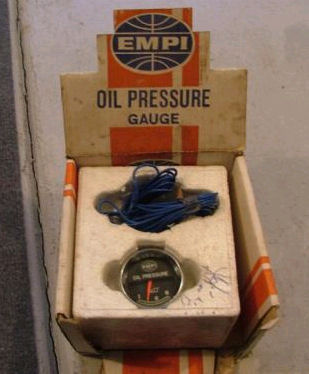
|
EMPI oil pressure gauge Oil pressure gauge Model 1 |
N.O.S Mint Poor |
No sender / With sender included Yes without sender |
152$-300$ 80-113$ 51$ |
2005 2002-2006 2003 |
U.S.A | |
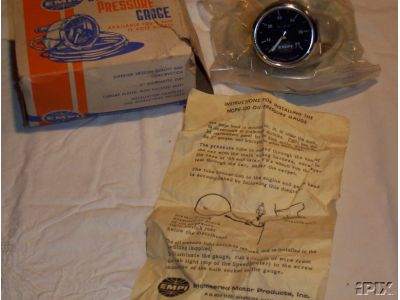
|
EMPI Oil pressure gauge Model 2 (1980s?) |
N.O.S | Yes | 256$ | 2003 | U.S.A | |
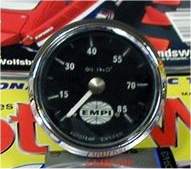
|
Mechanical oil pressure gauge Modèle 3 (1960s) |
Mint Poor |
Yes / without sender without sender |
150$-280$ 103$ |
2003-2005 2004 |
U.S.A | |
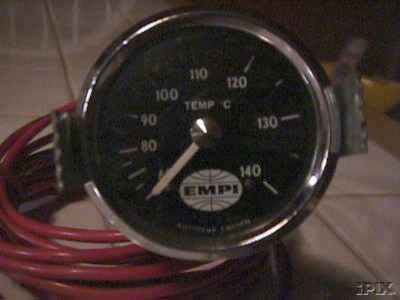
|
Mechanical oil temperature gauge, 1960s | Mint | Yes | 150$ | 2002 | U.S.A | |
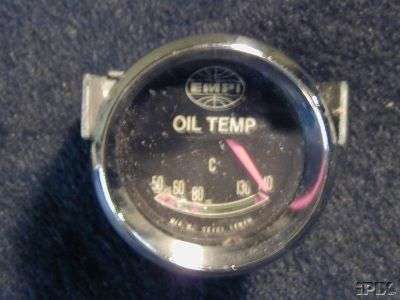
|
Electric oil temperature gauge | Poor | without sender | 102$-160$ | 2003-2006 | U.S.A | |
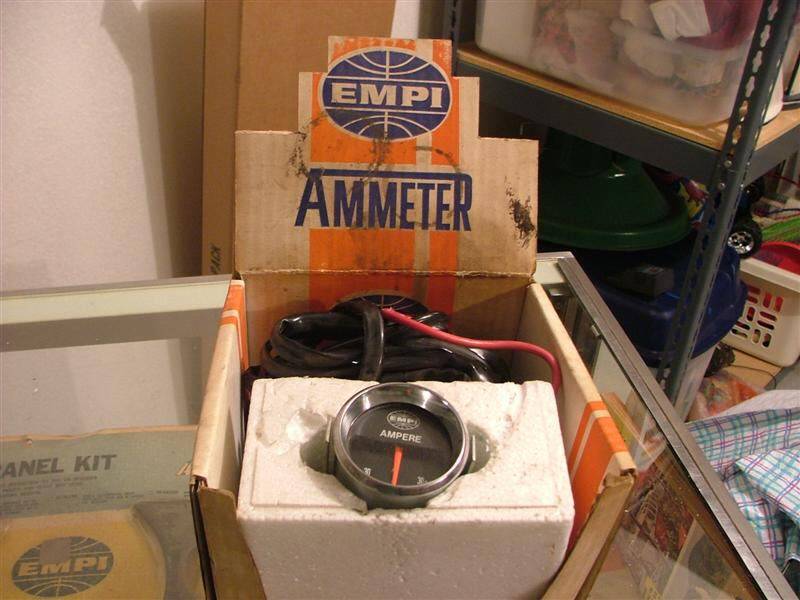
|
EMPI ampermeter 1970-1971 |
N.O.S | 125$-417$ | 2004-2007 | U.S.A | ||
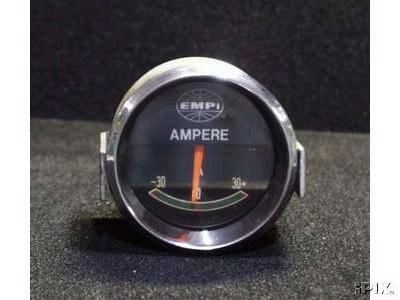
|
EMPI Mano ammeter (1987) | Mint | Yes | 57$-59$ | 2002-2006 | U.S.A | |
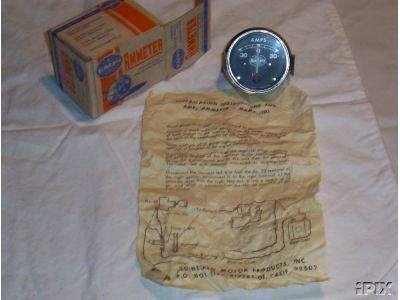
|
EMPI Mano ammeter 1960s |
N.O.S Mint Poor |
177$ 130$ 61$ |
2003 | U.S.A | ||
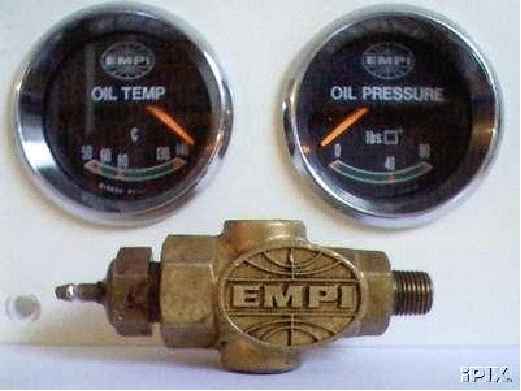
|
EMPI oil pressure and temperature |
Mint Mint |
Yes without senders |
274$ 270$ |
02/2002 2004 |
U.S.A | |
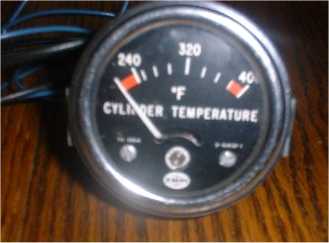
|
EMPI cylinder temperature years 70 ? |
Mint | Without sender | >310$ | 2003 | U.S.A | |
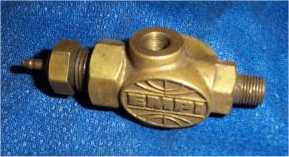
|
EMPI mechanical oil temperature sender (1960s) | Mint | >230$ | 2003 | U.S.A | ||
| Engine / Motor / compartiment Moteur | |||||||

|
EMPI interior day/night rear-view mirror | Average | 100$ | 2003 | U.S.A | ||
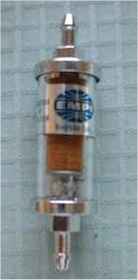
|
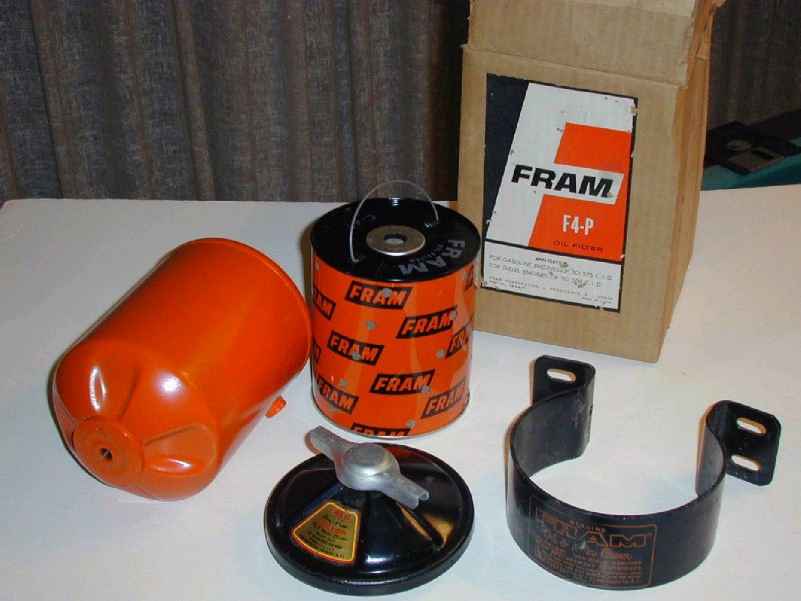
EMPI Fuel filter Fuel filter |
Mint | Yes | 31$-80€ | 2002-2005 | U.S.A | |
|
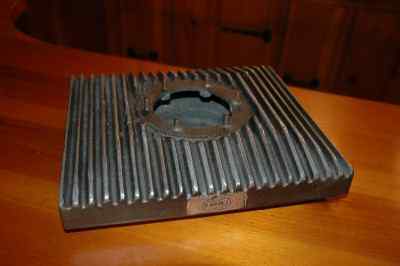
EMPI Magnesium oil sum / Additional magnesium oil sump | Poor | 63$ | 2005 | U.S.A | ||
|
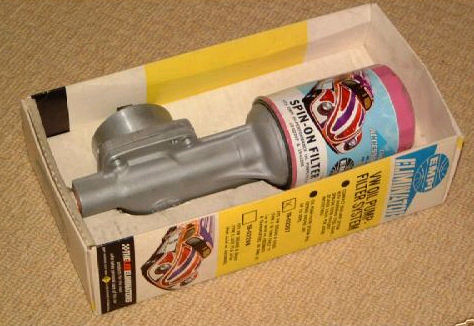
EMPI Oil Filter pump | Mint | Yes | 150$ | 2002 | U.S.A | |
|
|
EMPI 14 inch (380mm) Empi GT Deluxe big button Steering wheel | N.O.S | No | 860$ | 2004 | U.S.A | |
|
|
EMPI Ammeter + Original Grille | Very good | Yes |
194$ | 2003 | U.S.A | |
|
|
EMPI Interior Day/Night Rearview Mirror | Good | 100$ | 2003 | U.S.A | ||
|
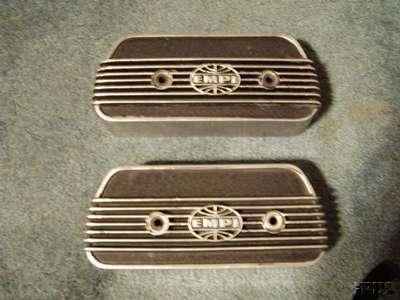
EMPI valve covers valve cover EMPI 1970s |
Good Very good |
without bolt without bolt |
18$-37$ 66$-140$ | 2002-2003 2004-2005 |
U.S.A | |
|
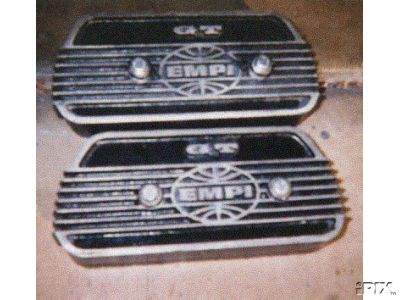
EMPI GT valve covers valve cover G.T |
Good Very good |
without bolt with bolt |
259$-370$ 365$ |
2003-2005 2004 |
U.S.A | |
|
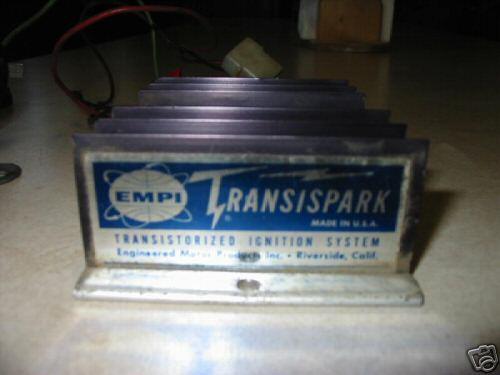
EMPI Electronic Ignition Set 1960s |
N.O.S Good |
125$ 282$ |
2005 2004 |
U.S.A | ||
|
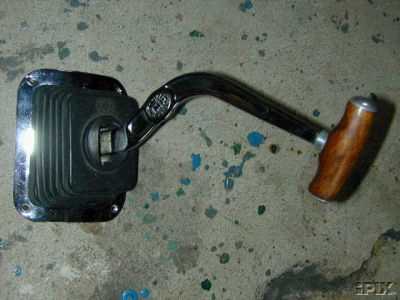
EMPI Eliminator Shifter EMPI Eliminator Shifter 1970s |
Very good Fair |
including boots without knob |
213$-557$ 104$ |
2003-2005 | U.S.A | |
|
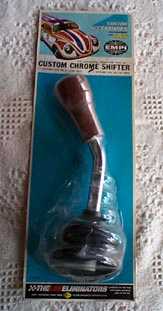
EMPI Gear Shifter for Beetle 61-67 | N.O.S | Yes | 68$-140$ | 2003 | U.S.A | |
|
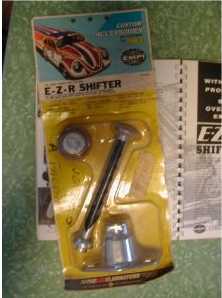
EMPI E.Z.R Gear Shifter >68 |
N.O.S | Yes | 175$ | 2003 | U.S.A | |

|
EMPI Short Shifter (1970s period) | N.O.S | Yes | 10€-50$ | 2002-2003 | U.S.A | |
|
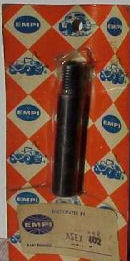
EMPI Early Gear shifter extension Shifter Extension |
N.O.S | Yes | 59$ | 2005 | U.S.A | |
|
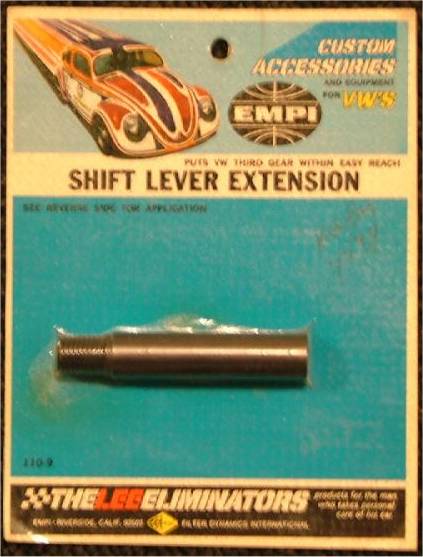
EMPI Shifter lever Extension (1970...) Shifter extension (1970s) |
N.O.S | Yes | 35$ | 2005 | U.S.A | |
|
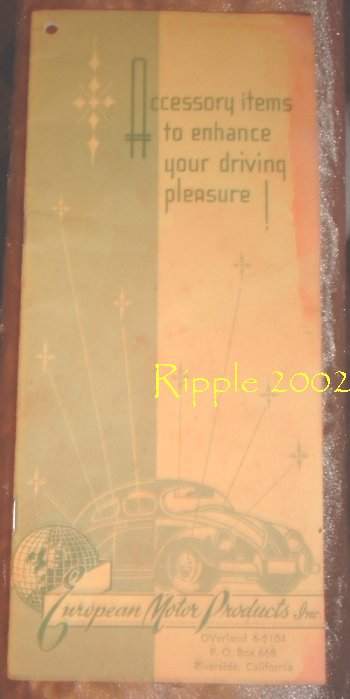
1er magazine EMPI late 1950s |
Very good | Yes | 255$ | 2003 | U.S.A | |
|
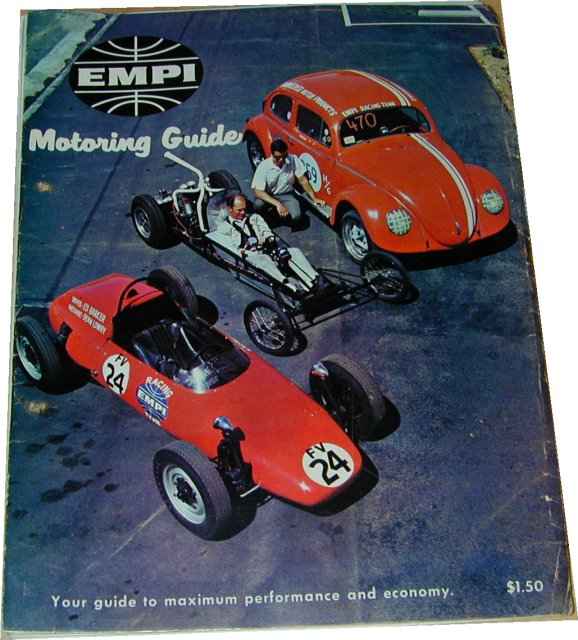
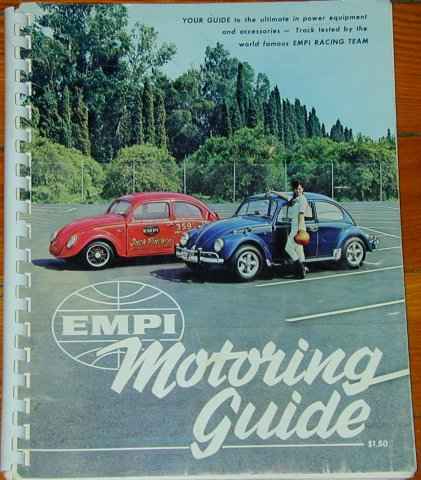
Magazine EMPI 1966-1967 | Very good | Yes | 152$ | 2002 | U.S.A | |
|
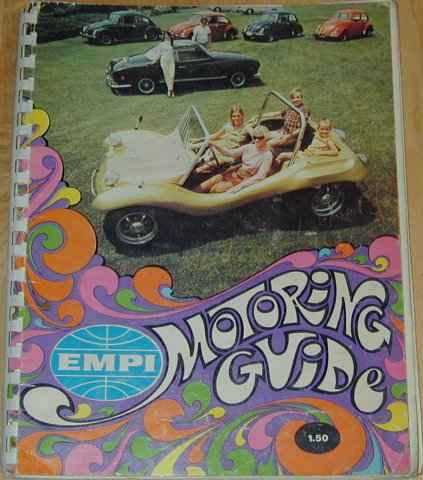
Magazine EMPI 1968 | Very good | Yes | 134$-177$ | 2003-2004 | U.S.A | |
|
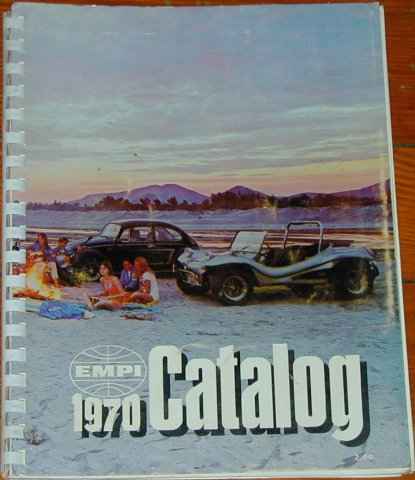
Magazine EMPI 1969 | Very good Very good |
Yes | 113$ 76-162$ |
2002- 2005 |
U.S.A | |
|
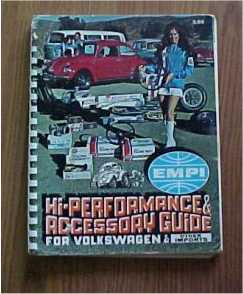
Magazine EMPI 1970 | Very good | Yes | 118$-257$ | 2004-2005 | U.S.A | |
|
Magazine EMPI 1971 | Very good | Yes | 122$-197$ | 2003-2004 | U.S.A | |
|
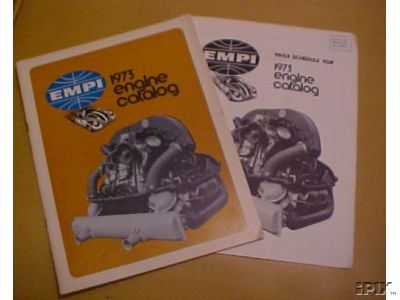
EMPI Engine catalog 1973 | Very good | Yes | 37$-108€ | 2003 | U.S.A | |
|
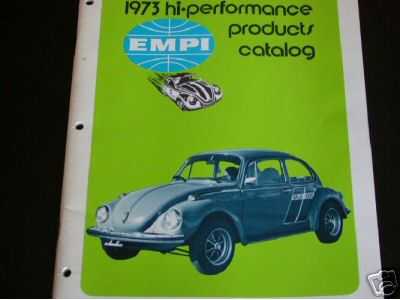
EMPI Hi performance product catalog 1973 | Very good | Yes | 41$ | 2003 | U.S.A | |
|
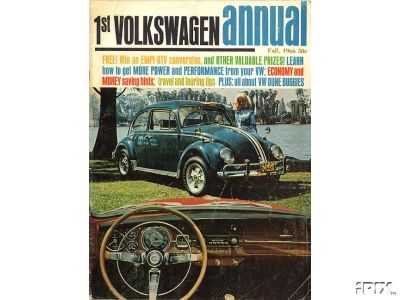
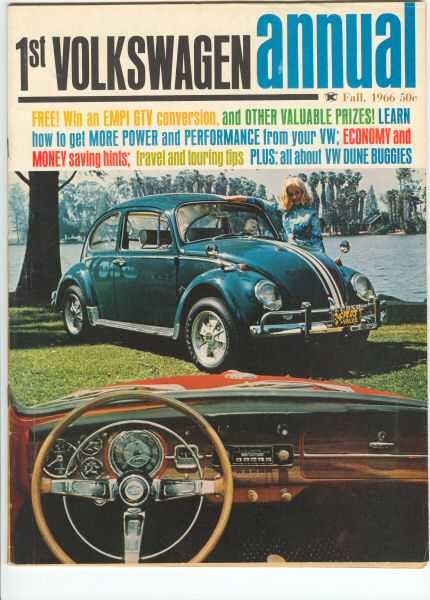
First Volkswagen annual 1966 | Good | Yes | 56$ | 2003 | U.S.A | |
|
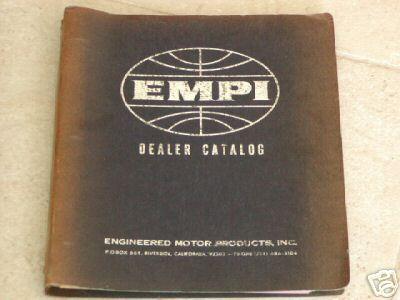
1960's Engineered Motor Products, Inc. - EMPI DEALER CATALOG - | Very good | Yes | 180$-290$ | 2004 | U.S.A | |
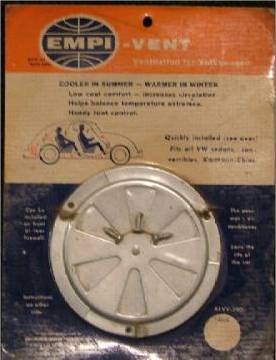
|
EMPI Vent with an Early EMPI blister packaging | N.O.S | Yes | 66$-86$ | 2005 | U.S.A | |
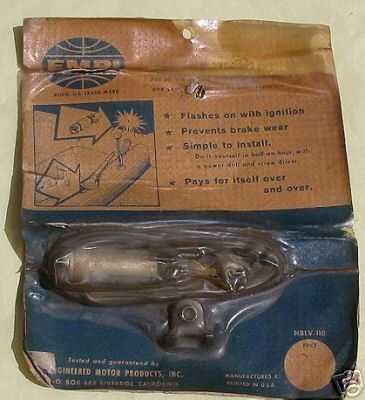
|
EMPI break light with an Early EMPI blister packaging | N.O.S | Yes | 103$ | 2005 | U.S.A | |
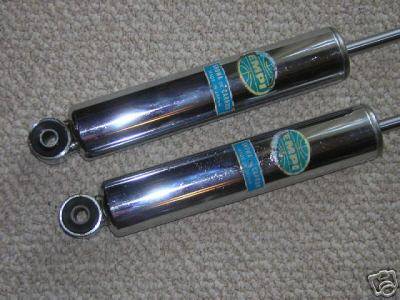
|
Empi VW chrome front shocks | Very good | 203$ | 2005 | U.S.A | ||
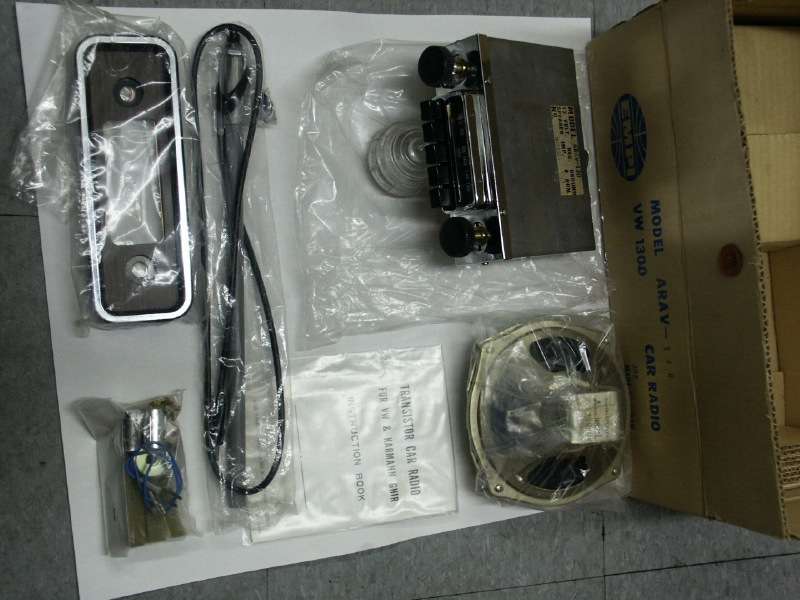
|
EMPI Empi radio A.M Poste radio EMPI |
N.O.S Very good Fair |
Yes | 910$ 365$-750$ 152$ |
2002-2005 | U.S.A U.S.A |
|
|
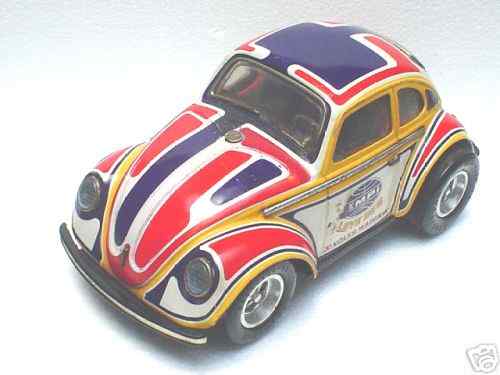
EMPI Tin / plastic battery operated (10" x 5 1/4" x 4 1/4") made in Japan by TAIYO | Very good | 86$-300$ | 2005-2007 | U.S.A | ||
|
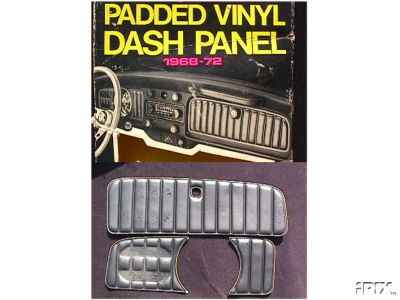
EMPI Dash Pad vinyl (1968-1972) | N.O.S | Yes | 10.5$-46$ | 2002-2003 | U.S.A | |
|
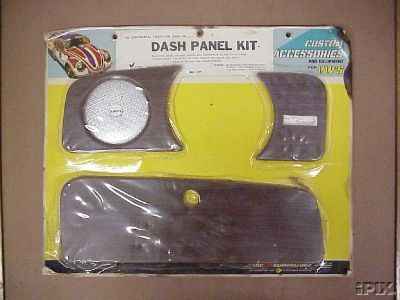
EMPI Wood Dashboard (1971-1973) | N.O.S | Yes | 20-31$ | 2002-2003 | U.S.A | |
|
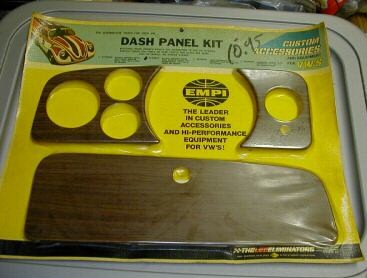
EMPI Wood Dashboard (>1968) ref 37-05814 | N.O.S | Yes | >78$ | 2004 | U.S.A | |
|
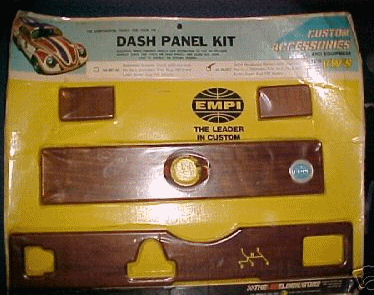
EMPI solid walnut Dash Panel Kit. part number 40-06207.(73 and later) | N.O.S | Yes | 54$ | 2004 | U.S.A | |
|
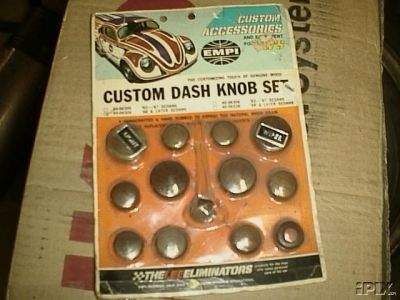
EMPI Wood Dashboard Button Trim | N.O.S | Yes | 6.5$-16.50€ | 2002-2004 | U.S.A | |
|
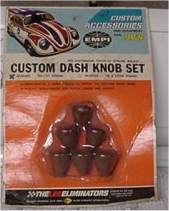
EMPI Wood Dashboard Buttons up to 1967 | N.O.S | Yes | 25$-37$ | 2002-2003 | U.S.A | |

|
Door trim sold in the EMPI catalog | Good | Yes | 108$ | 2004 | U.S.A | |
|
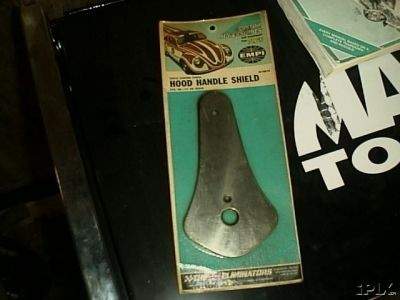
EMPI Chrome Front Trunk Lid Handle Protector | N.O.S | Yes | 10€-31$ | 2002 | U.S.A | |
|
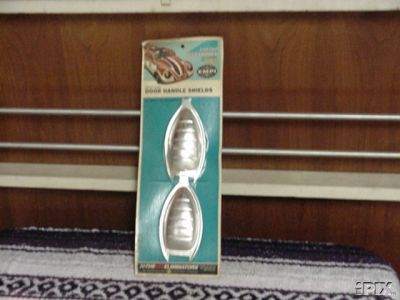
EMPI Door Handle Protectors | N.O.S | Yes | 10$-20$ | 2003 | U.S.A | |
|
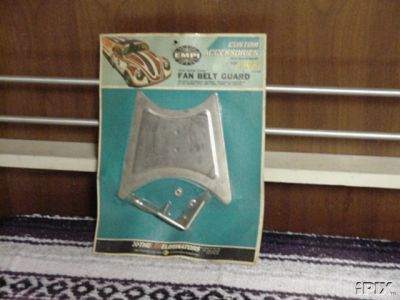
EMPI Belt Protector | N.O.S | Yes | 15$-20 | 2003 | U.S.A | |
|
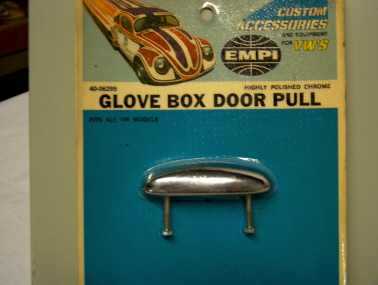
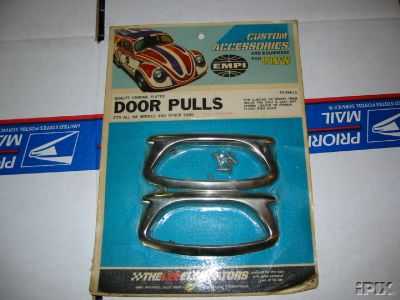
EMPI Door pull / Glove Box Handle 1970s |
N.O.S | Yes | 20-41$ | 2003 | U.S.A | |

|
EMPI Right mirror right rearview mirror, 1970s |
N.O.S | Yes | 76$ | 2003 | U.S.A | |

|
Right and left Delswift mirror with build in antenna right and left "antenna" rearview mirrors Delswift |
N.O.S N.O.S N.O.S |
Yes Right side only Left (antenna) |
76$-124$ 77$ 69$ |
2002-2004 2003 2004 |
U.S.A | |
|
EMPI Door Handles | N.O.S | Yes | 152$ | 2003 | U.S.A | |
|
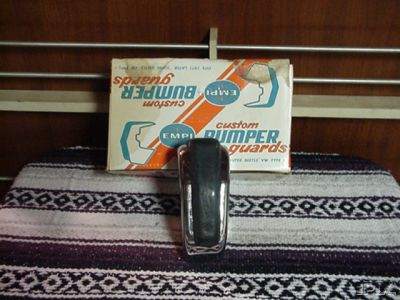
EMPI Bumper Guard >68 | N.O.S | Yes | 50-124$ | 2002-2003 | U.S.A | |
|
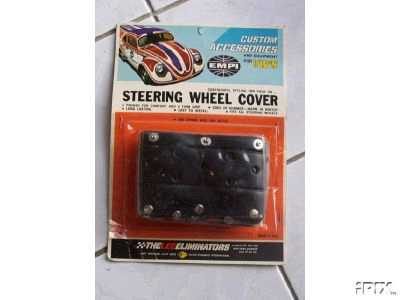
EMPI Steering Wheel Cover 1970s | N.O.S | Yes | 15-31$ | 2003 | U.S.A | |
|
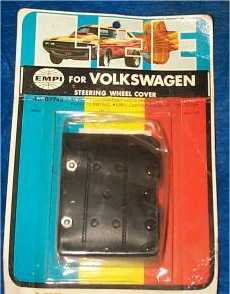
EMPI Steering Wheel Cover late 1970s early 1980s? | N.O.S | Yes | 20$ | 2003 | U.S.A | |
|
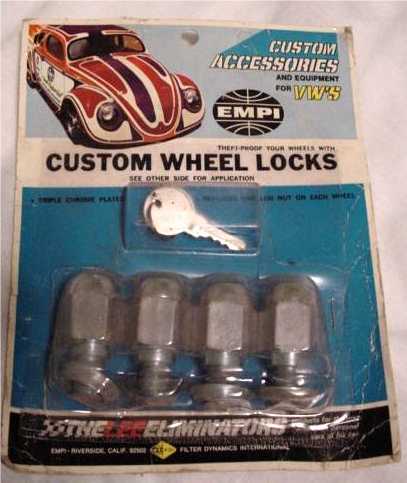
EMPI Chrome Anti-Theft Wheel Bolts 1970s |
N.O.S | Yes | 26$-36$ | 2003-2004 | U.S.A | |
|
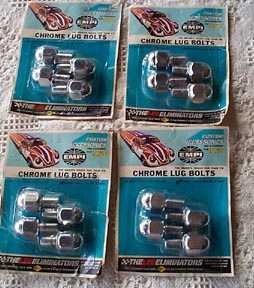
EMPI Chrome Wheel Bolts | N.O.S | Yes | 20$-25$ | 2003 | U.S.A | |

|
EMPI Chrome Wheel Bolts for Radar/Rader Rims, 1960s | N.O.S | Yes | 40$-41$ | 2004 | U.S.A | |
|
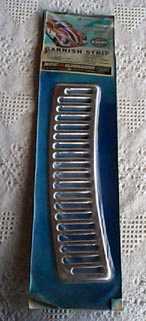
EMPI Rear Grille Chrome Trim | N.O.S | Yes | 29-31$ | 2003 | U.S.A | |
|
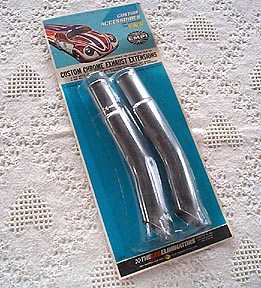
EMPI Chrome Exhaust | N.O.S | Yes | 28$-51$ | 2003 | U.S.A | |
|
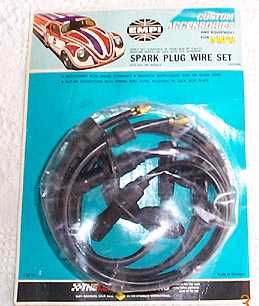
EMPI Ignition Wire Set, 1970 | N.O.S | Yes | 46$ | 2003 | U.S.A | |
|
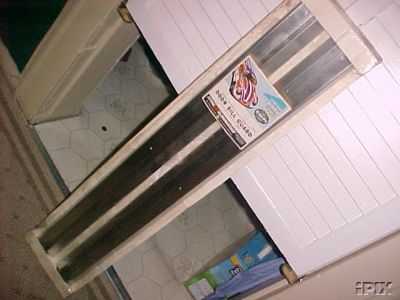
EMPI Chrome Lower Door Edge Guards Edge Guards 1971-1972 |
N.O.S | Yes | 81$-158$ | 2003-2007 | U.S.A | |
|
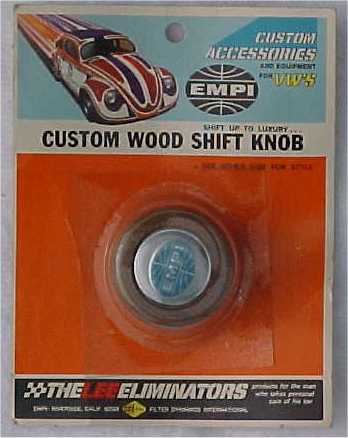
EMPI Shift Boot Cover 1970s | N.O.S | Yes | 25$-35$ | 2003 | U.S.A | |
|
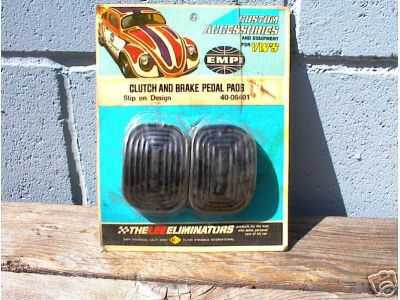
EMPI Pedal Covers | N.O.S | Yes | 44$ | 2003 | U.S.A | |
|
EMPI Map Light / Dome Light | N.O.S | Yes | 110$ | 2004 | U.S.A | |
|
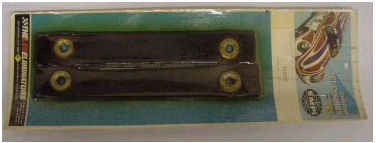
EMPI camber compensator straps | N.O.S | Yes | 24$-61$ | 2004-2005 | U.S.A | |
|
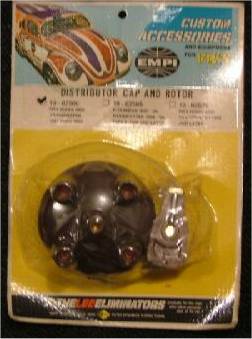
EMPI Distributor Cap and Rotor | N.O.S | Yes | 48$-76$ | 2005 | U.S.A | |

|
EMPI Vent window Locks | N.O.S Very good | Yes | 102$ 51$ |
2005 | U.S.A | |
|
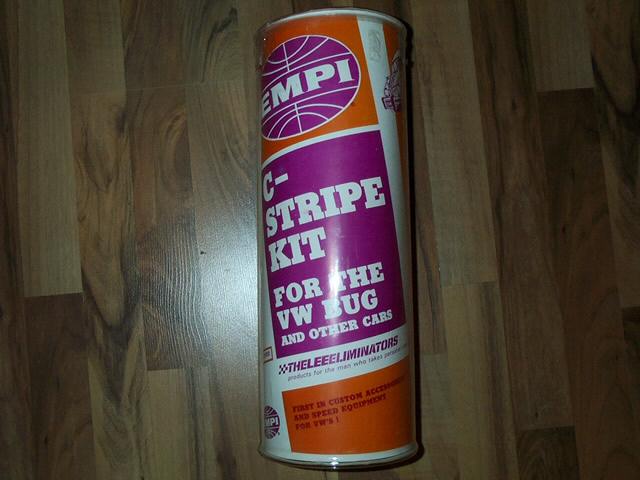
EMPI C-stripe Kit | N.O.S | Yes | 179€ | 2004 | Europe | |
|
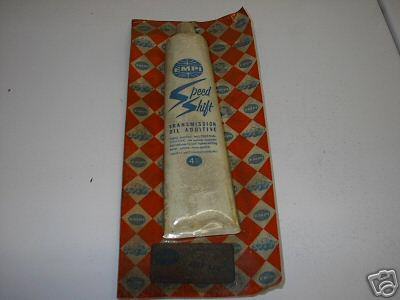
Empi Shift Lube | N.O.S | Yes | 36$ | 2004 | U.S.A | |
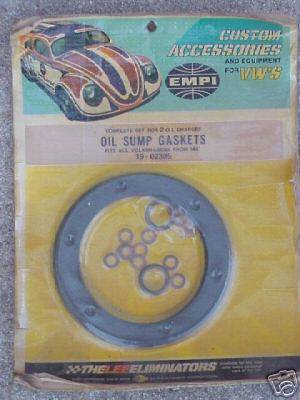
|
Lee Eliminator/EMPI Oil change gasket kit | N.O.S | Yes | 15$ | 2005 | U.S.A | |
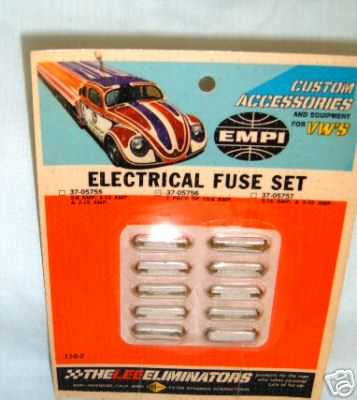
|
EMPI electrical fuse kit | N.O.S | 37$ | 2005 | U.S.A | ||
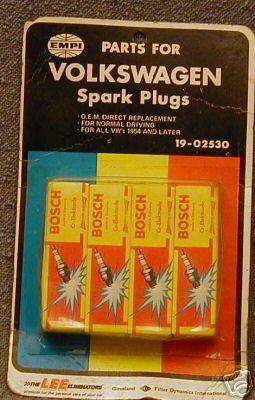
|
EMPI 4 Spaks plug set W145T1-1 80's |
N.O.S | Yes | 52$ | 2005 | U.S.A | |
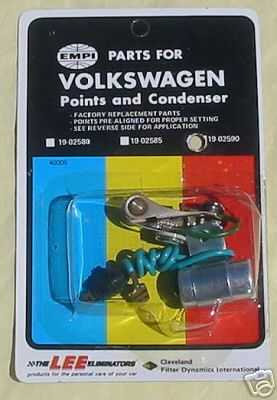
|
EMPI Points and condenser 80's 19-02590 fits automatic transmission Beetle (1969 on) Fastback / Squareback models (1968 on). |
N.O.S | Yes | 12.50$ | 2005 | U.S.A | |
|
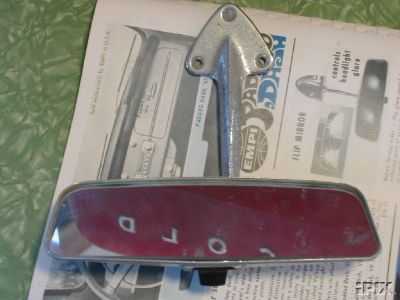
EMPI Interior Day/Night Rearview Mirror | Good | 100$ | 2003 | U.S.A | ||
|
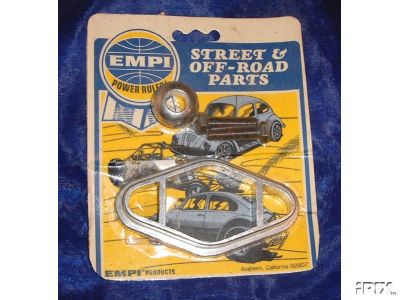
EMPI Short Shifter (period unknown) | N.O.S | Yes | 10€ | 2002 | Germany | |
|
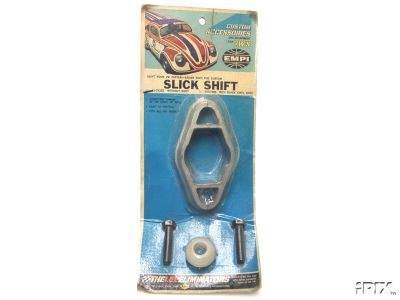
EMPI Short Shifter (1970s period) | N.O.S | Yes | 10€-50$ | 2002-2003 | U.S.A | |
|
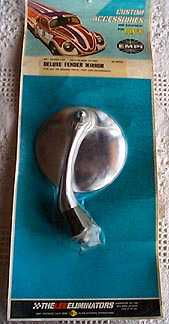
EMPI Right mirror right rearview mirror, 1970s |
N.O.S | Yes | 76$ | 2003 | U.S.A | |
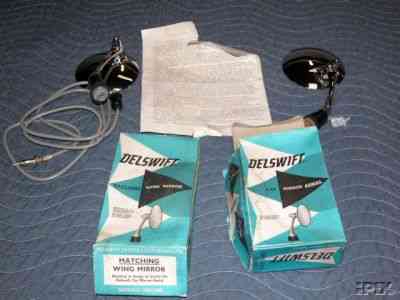
|
Right and left Delswift mirror with build in antenna right and left "antenna" rearview mirrors Delswift |
N.O.S N.O.S N.O.S |
Yes Right side only Left (antenna) |
76$-124$ 77$ 69$ |
2002-2004 2003 2004 |
U.S.A | |
|
|
EMPI Steering Wheel for Type 3 | Very good | Yes | 300$ | 02/2002 | U.S.A | |
|
|
EMPI Petri Steering Wheel 15" 1960-65 | Restored Very good Good Fair |
Yes | 163$ 206$-480$ 157$-230€ 152$-221$ |
2004 2002-04 |
U.S.A Alle./U.S.A |
|
|
|
EMPI Speedwell Leather Steering Wheel | Fair | Yes | 200 $ | 04/2002 | U.S.A | |
|
|
EMPI Leather Steering Wheel 15" | Fair | No | 75 $ | 03/2002 | U.S.A | |
|
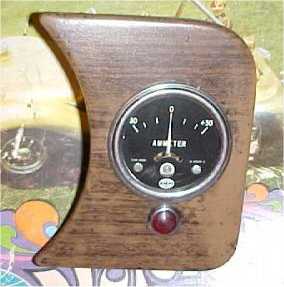
EMPI Ammeter + Original Grille | Very good | Yes |
194$ | 2003 | U.S.A | |
Speedwell Parts
Speedwell accessories in the 1960s became a hallmark of British tuning culture, adding a touch of racing flair to everyday cars. Their wood-rim steering wheels, drilled pedals, and performance gauges gave small sports cars—especially Minis and Sprites—a more purposeful, competition-ready feel. By the mid-60s, Speedwell had built a reputation for blending style with genuine performance upgrades, making their parts coveted by enthusiasts of the era.
| Photo/Picture | Description | Condition | Complete | Price | Date | Country |
|---|---|---|---|---|---|---|
|
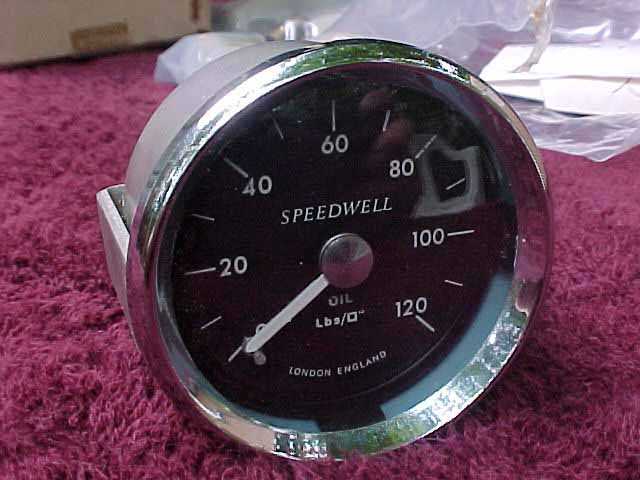
Speedwell Oil Pressure Gauge | N.O.S | Complete | $280 | 2003 | U.K |
|
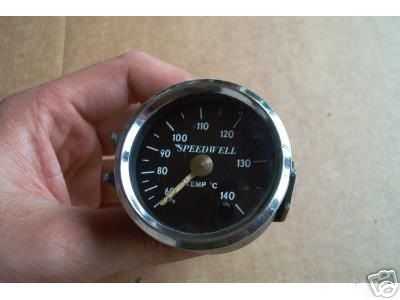
Speedwell Oil Temperature Gauge | MINT | Complete | $320 | 2004 | U.K |
|
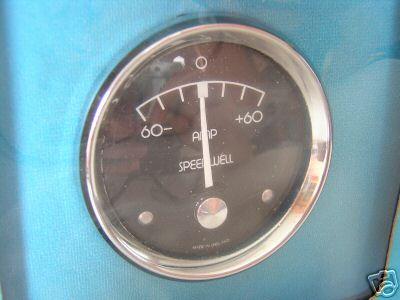
Speedwell Ammeter | Refais/Rebuild | Complete | $180 | 2005 | U.K |
|
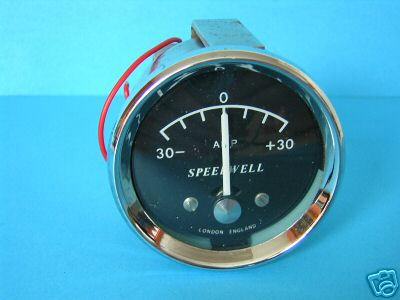
SPEEDWELL ammeter -30 +30 1960s / EMPI Kit |
N.O.S Very good |
129$ 67£ |
2005 2004 |
U.S.A U.K |
|
|
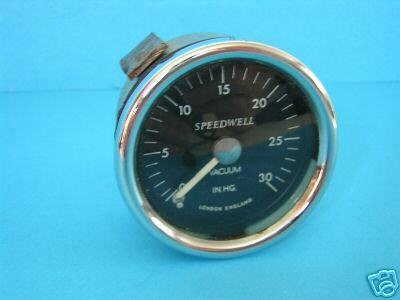
SPEEDWELL Vacuum gauge (carburetor pressure) | N.O.S |
60£ | 2004 | U.K | |
|
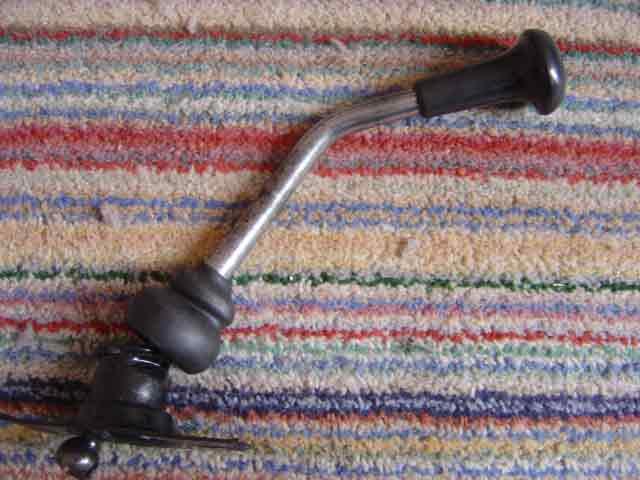
SPEEDWELL Gear Shifter | Very good |
69£ | 2004 | U.K | |
|
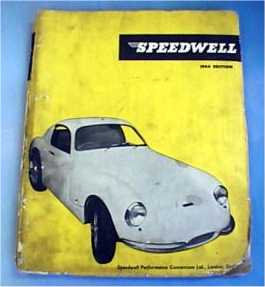
SPEEDWELL Magazine Speedwell 1963-1964 | Good | Yes | 187€ | 2003 | U.K |
Volkswagen Original Parts
Original VW parts from the 1950s and 1960s. These are factory original parts that were installed on VW vehicles during production or available as genuine accessories.
| Photo/Picture | Description | Condition | Complete | Price | Date | Country |
|---|---|---|---|---|---|---|
|
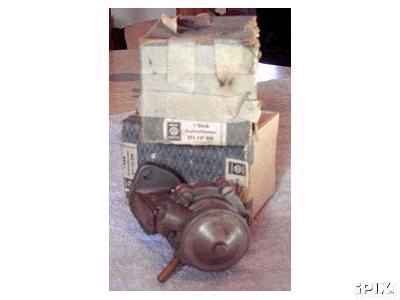
VW Fuel Pump 6V | N.O.S | Complete | $120 | 2003 | Germany |

|
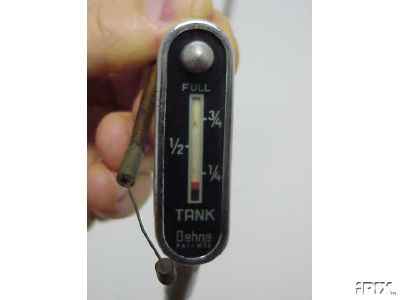
VW Fuel Gauge 6V | MINT | Complete | $85 | 2004 | Germany |
|
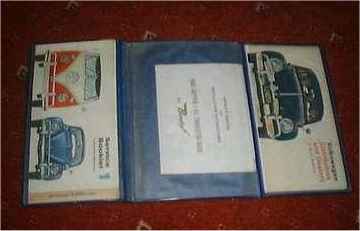
VW Service Wallet | N.O.S | Complete | $45 | 2005 | U.S.A |
|
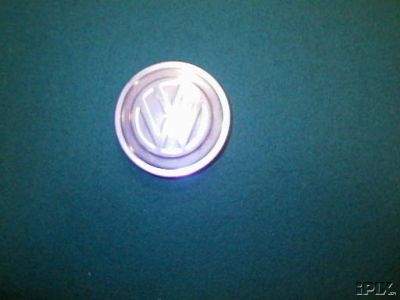
Fuel Cap (1961-1967) | N.O.S | Yes | 40$ | 2002 | U.S.A |
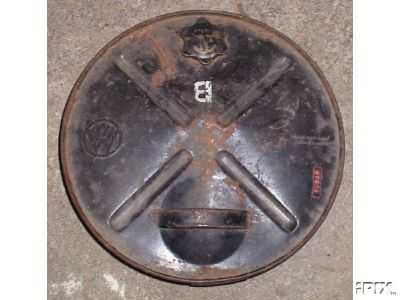
|
Auxiliary Fuel Tank | Fair | Yes | 38€ | 2003 | Autriche |
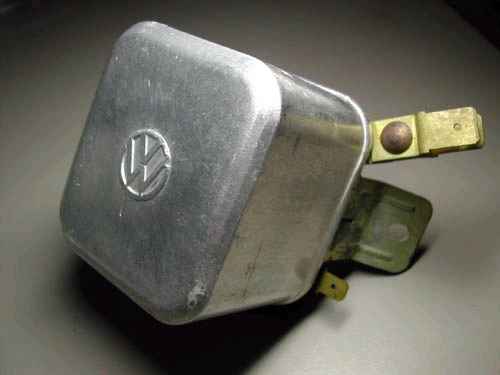
|
6-Volt Voltage Regulator | N.O.S | Yes | 20$ | 03/2002 | U.S.A |
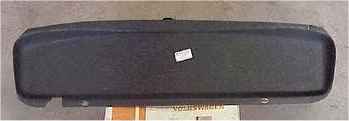
|
Cache fils en carton | N.O.S Fair |
Yes | 78€-86$ 2.5€ |
2002-2003 | U.S.A Germany |
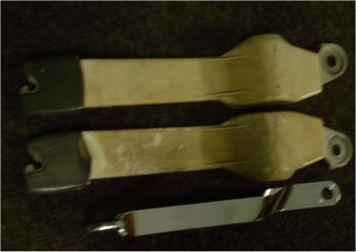
|
Seat Belts, 1960s | Good | Yes | 30$ | 2002 | U.S.A |
|
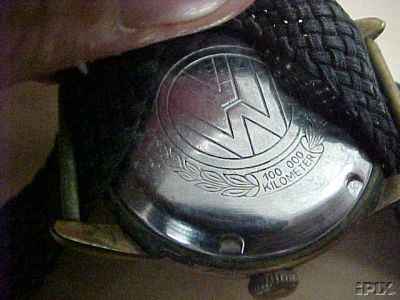
100,000 km Commemorative Watch | Very good | Yes | 75€-81$ | 2002-2003 | |
|
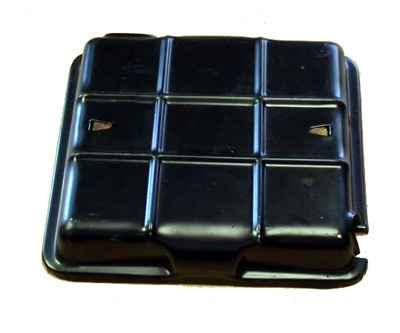
Couvercle de batterie | N.O.S | 50€ | 2002 | U.S.A | |
|
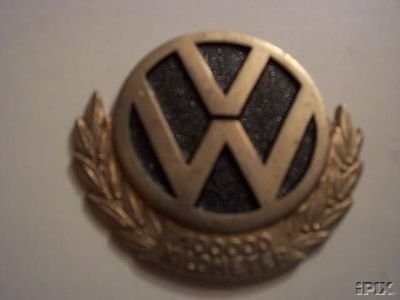
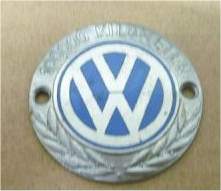
100 000 km honor badge 100,000 km Commemorative Plaque |
Very good | 45€-61€ | 2002-2005 | Germany | |
|
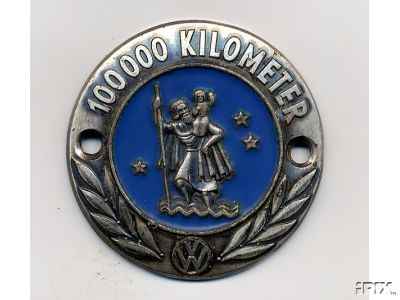
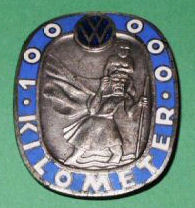
Christophorus 100 000 km badge St. Christopher Commemorative Plaque, 100,000 km |
Very good | 53$ | 2002 | U.S.A | |
|
Christophorus 100 000 km badge St. Christopher Commemorative Plaque, 100,000 km |
Very good | 76€ | 2002 | Finlande | |
|
Christophorus 100 000 km emaile badge St. Christopher Commemorative Plaque, 100,000 km |
Very good | 102$ | 2005 | DE | |
|
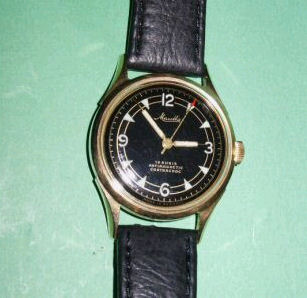
100.000km watch 100,000 km Commemorative Watch |
N.O.S | 172$ | 2005 | DE | |
|
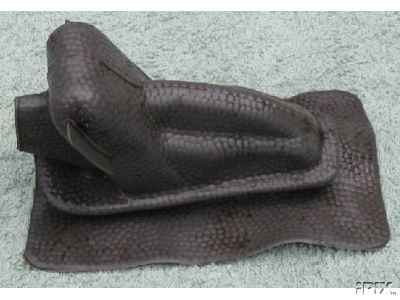
Handbrake Rubber Boot | N.O.S | 45€ | 2002 | U.K | |
|
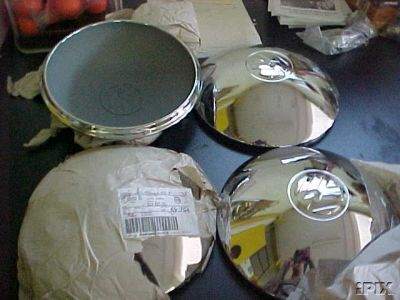
Hubcaps for Type I before 1965 | N.O.S | 140-247€ | 2003 | Germany | |
|
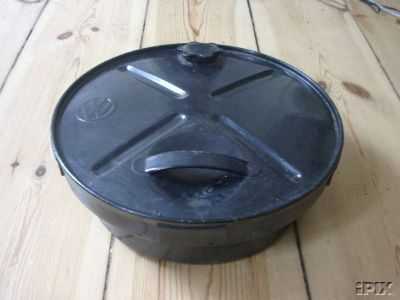
Spare Wheel Fuel Can 1950s 15 inches |
Very good | 251$-256$ | 2003 | U.S.A | |
|
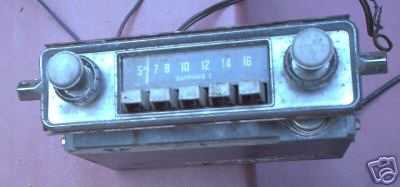
RAdio Saphir 1 A.M | Fair | 31$ | 2005 | U.S.A | |
|
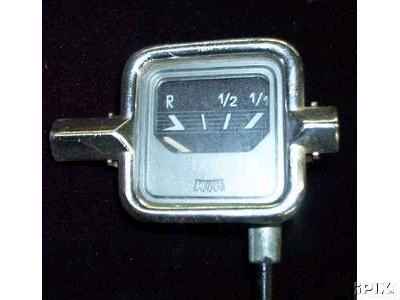
Electric 6-Volt Fuel Gauge | N.O.S | Yes | 9$ | 03/2002 | U.S.A |
VDO Instruments
VDO (Vereinigte Deuta Ota) was a German manufacturer of automotive instruments and gauges. They supplied many original equipment instruments to VW and other manufacturers.
| Photo/Picture | Description | Condition | Complete | Price | Date | Country |
|---|---|---|---|---|---|---|
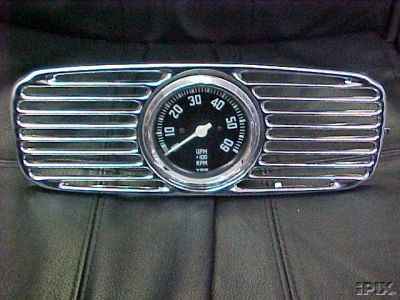
|
VDO Tachometer Oval Grille | N.O.S | Complete | $180 | 2003 | Germany |
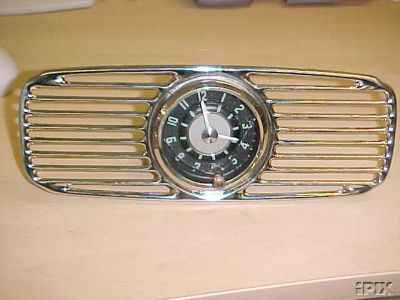
|
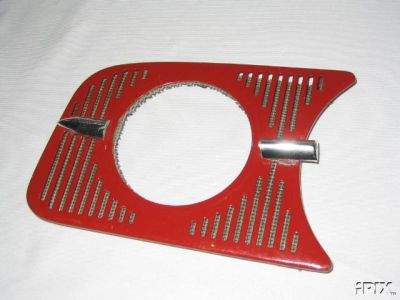
VDO Clock Grille | MINT | Complete | $95 | 2004 | Germany |
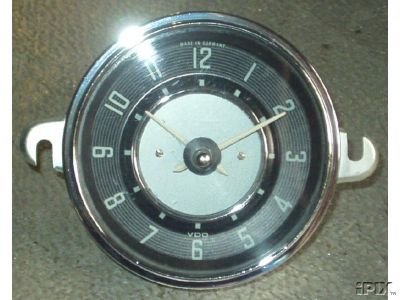
|
VDO Clock | Refais/Rebuild | Complete | $150 | 2005 | Germany |
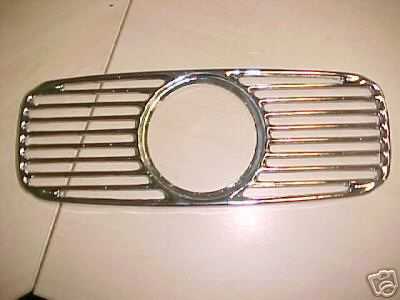
|
VDO Reproduction Grille for Oval | NEW |
47$ |
2003 | U.S.A | |
|
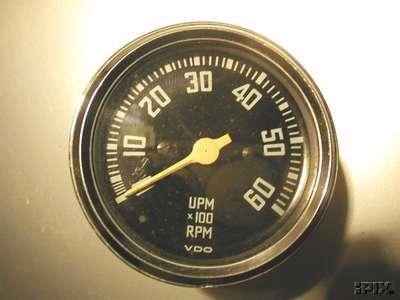
VDO Tachometer for VW 0 to 6000 RPM (1960s) |
N.O.S Very good Good average / untested average / untested |
164$-209$ 53€-157€ 45-111€ 101€ 25$ |
2003 2003-2004 2002/03 2002 2002 |
U.S.A Germany Germany/U.S.A Germany U.S.A |
|
|
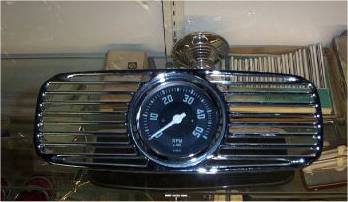
VDO Tachometer for VW 0 to 5000 RPM (1950s) |
Very good | >400$ | 2004 | U.S.A | |
|
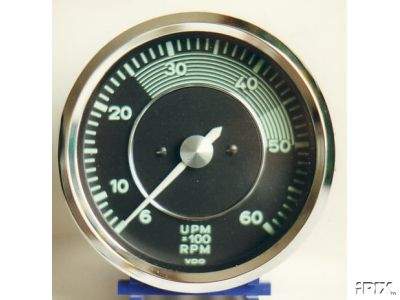
VDO Tachometer 100mm (1960s) | Very good | 80€ 130€ |
2002 2003 |
Germany | |
|
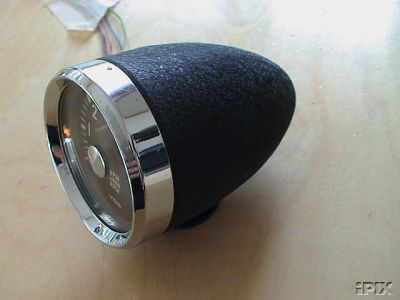
VDO Tachometer "Bullet" | Very good | 45€ | 2002 | Germany | |
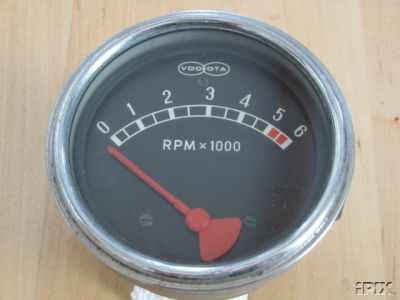
|
VDO Tachometer 90mm (1960s) |
Very good | 21€ | 2003 | Germany | |
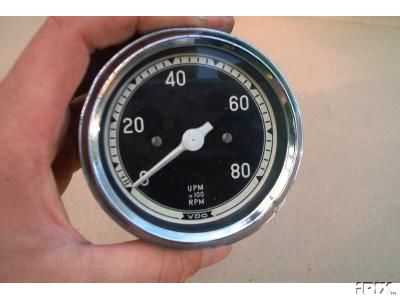
|
VDO Tachometer 80mm (1960s) "Triangle" |
Very good | 178$-191$ | 2003-2004 | U.S.A | |
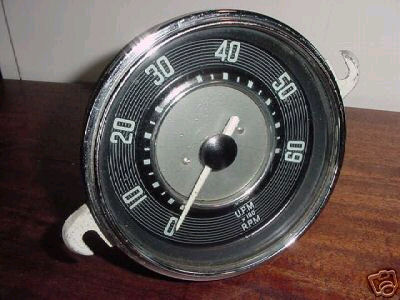
|
VDO original accessory VW Ghia 6 volt tachometer | Very good | 462$ | 2005 | U.S.A | |
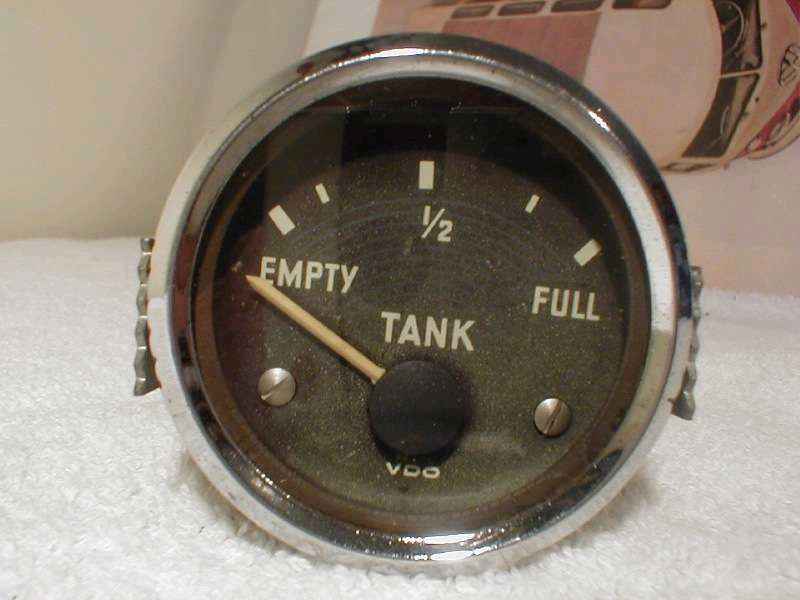
|
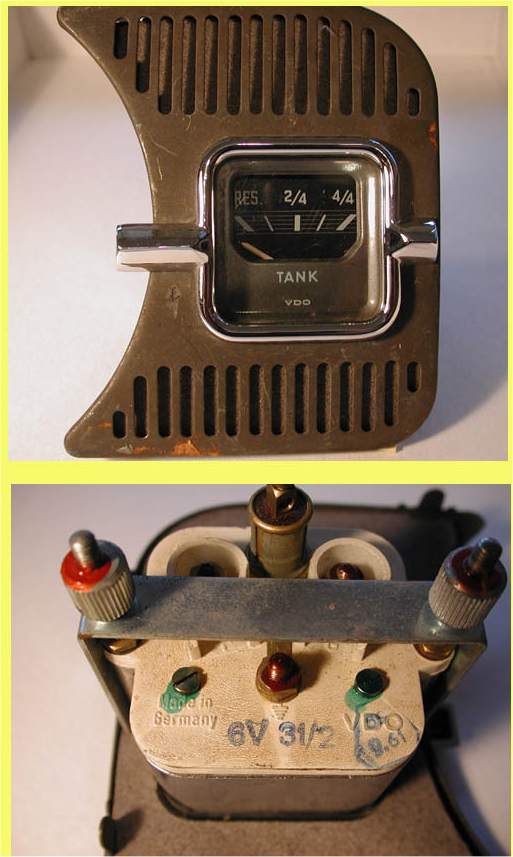
VDO 6-Volt Fuel Gauge for Bus (1959) |
Good / average condition | without float | 7,50€ 10$ |
2003 2002 |
Germany U.S.A |
|
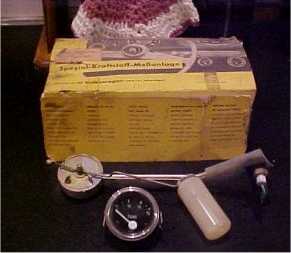
VDO 6-Volt Fuel Gauge for Type I with grille | N.O.S | Yes | 63$ | 2003 | Germany |
|
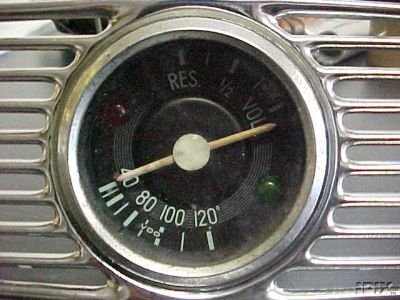
VDO 6-Volt with float and housing accessoires de 1960 |
N.O.S Very good |
Yes Yes |
150$ 61€ |
2003 2003 |
U.S.A Germany |
|
VDO Oil Temperature + Fuel Level ( 50) | Fair | without senders | 102€ | 2002 | U.S.A |
|
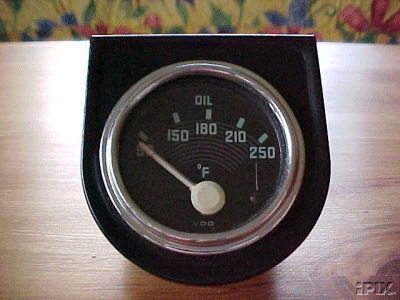
VDO Oil Temperature 50 to 250 Fahrenheit | Very good Fair |
without sender | 78-120$ 22$ |
2002-2005 2003 |
U.S.A |
|
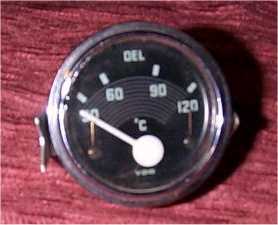
VDO Oil Temperature 30 to 120° 1960s 6 volts |
Very good Very good Good |
with sensor without sender without sender |
223€ 66€-70€ 20€-83€ |
2004 2003-2005 2003 |
Germany Germany Germany |
|
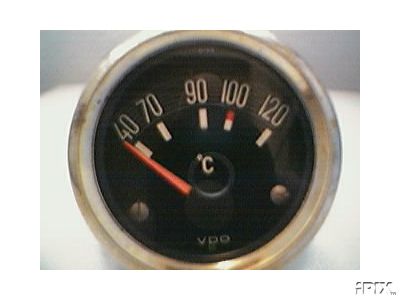
VDO Oil Temperature 40 to 120° 1970s |
Very good Good Fair |
without sender | 66$ 15€-25$ 17€ |
2002 | U.S.A Germany Germany |
|
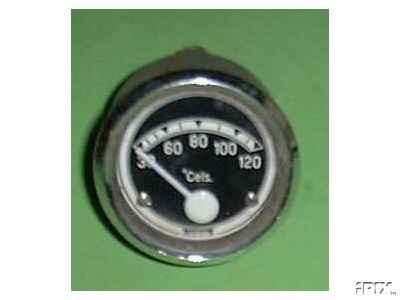
VDO Oil Temperature 30 to 120° | N.O.S Very good | without sender | 21€-28€ 2.5€-25€ |
2002-2003 | Germany |
|
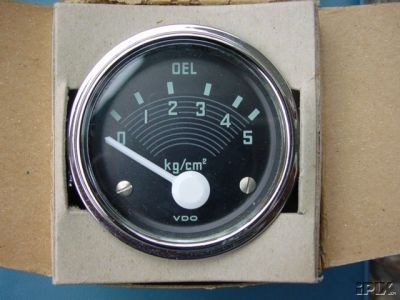
VDO Oil Pressure Gauge | N.O.S | without sender | 131€ 170$ |
2002 2003 |
Italie U.S.A |
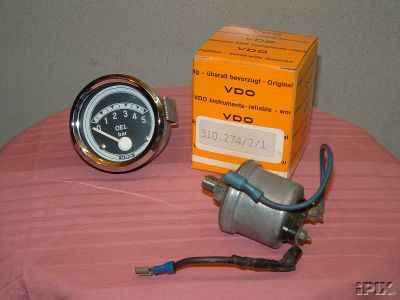
|
VDO Oil Pressure 0 to 5 Electrique 6 Volts 1960s |
N.O.S N.O.S Very good Good |
with sensor without sender without sender without sender |
56€ 25€-26€ 13€-20€ 5.5€-51€ |
2003 2002-03 2003 2002-03 |
Germany |

|
VDO ammeter 6 volts -30 to +30 Special VW |
Very good Good |
73$-90$ 46$ |
2004-2005 2003 |
U.S.A | |

|
VDO ammeter 6 volts -30 to +30 1960s |
N.O.S | 7.50€-30$ | 2002-2003 | U.S.A | |

|
VDO ammeter 6 volts -15 to +15 1950s |
N.O.S | 26€ | 2003 | Germany | |
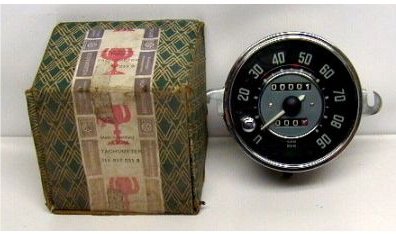
|
VDO gauge double : fuel level and oil temperature 30-120° 56-57 Ghia, Beetle and Bus pre-62 |
Fair | Yes | 72$ | 2002 | U.S.A |
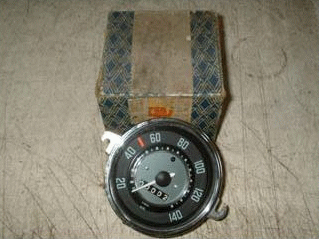
|
VDO Odometer 140 Km max <1967 |
N.O.S | Yes | 40€ | 2004 | UK |
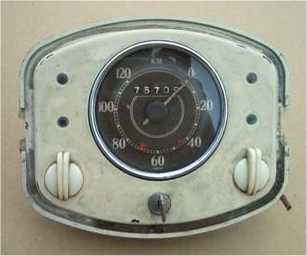
|
VDO Speedometer for Split 1951-152 |
Good | Yes | 150€ | 2003 | Europe |
|
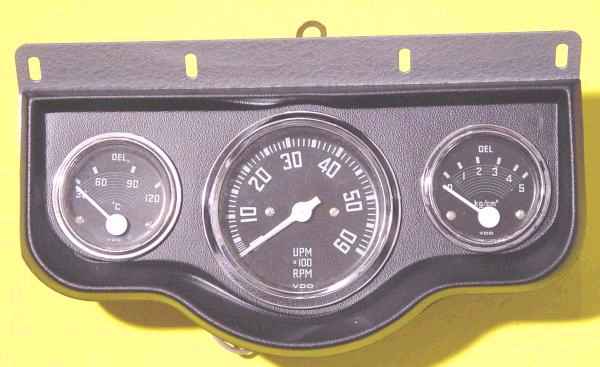
VDO 3 gauge | Very good | Yes | 500$ | 03/2002 | U.S.A |
|
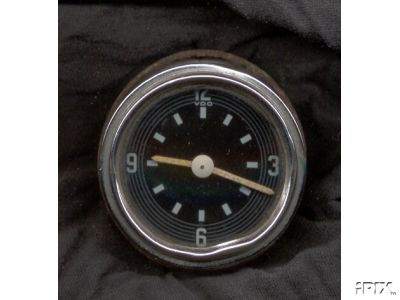
VDO Horloge 6 volts 1950s |
Very good | Yes | 334€ | 2002 | Germany |
|
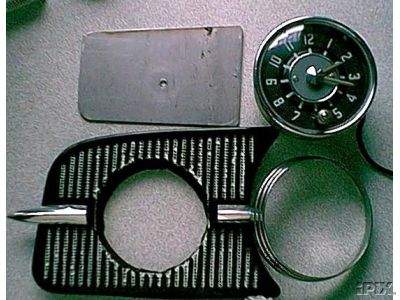
VDO 12-Volt Clock with Grille | Very good | Yes | 281€ | 2002 | Germany |
|
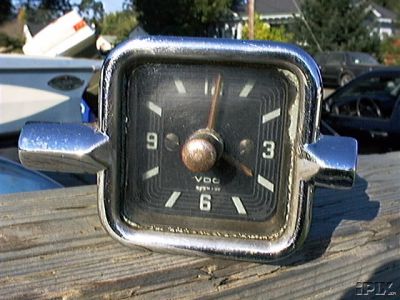
VDO Square Clock 6-Volt Type I 1958-1960 | Good | Yes | 122€-205$ | 2002-2003 | |
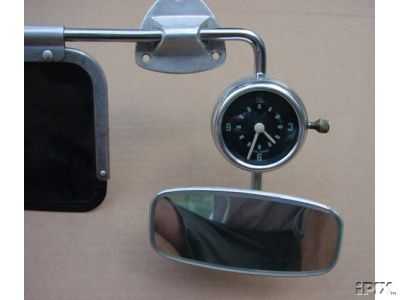
|
Horloge VDO-Kienzel | Very good | Yes | 1680$ | 2003 | U.S.A |

|
Horloge VDO | Very good | Yes | 999$ | 2004 | U.S.A |
|
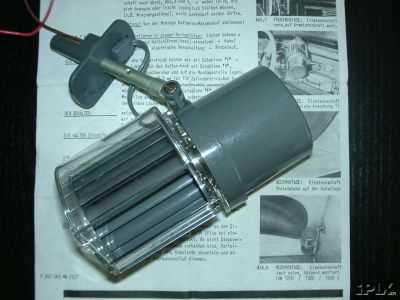
Ventilateur VDO 6 volts 1960s |
N.O.S | Yes | 71$-235$ | 2003 | U.S.A |
|
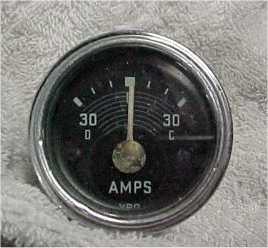
VDO Ampermetre 6 volts -30 to +30 Special VW |
Very good Good |
73$-90$ 46$ |
2004-2005 2003 |
U.S.A | |
|
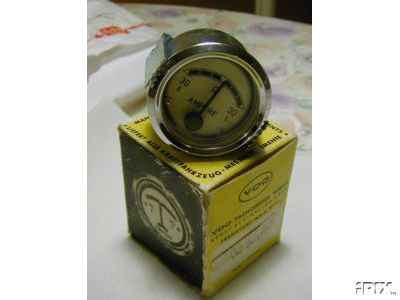
VDO Ampermetre 6 volts -30 to +30 1960s |
N.O.S | 7.50€-30$ | 2002-2003 | U.S.A | |
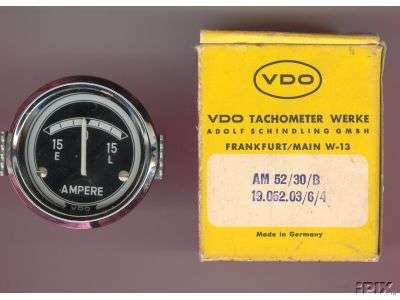
|
VDO Ampermetre 6 volts -15 to +15 1950s |
N.O.S | 26€ | 2003 | Germany |
Bosch Electrical Parts
Bosch was the primary supplier of electrical components for VW vehicles. Their ignition systems, coils, and distributors were standard equipment on most VWs.
| Photo/Picture | Description | Condition | Complete | Price | Date | Country |
|---|---|---|---|---|---|---|
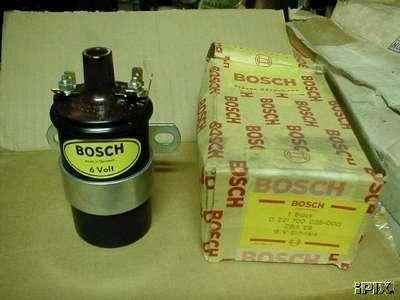
|
Bosch 6V Ignition Coil | N.O.S | Complete | $75 | 2003 | Germany |
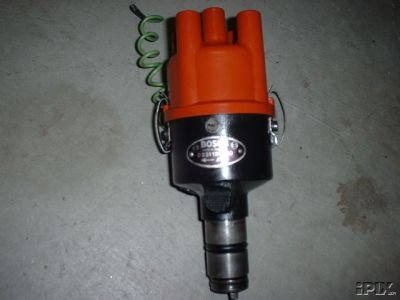
|
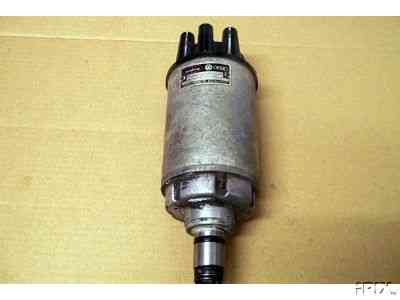
Bosch Distributor 010 | MINT | Complete | $120 | 2004 | Germany |
Hazet Tools
Hazet was a German manufacturer of high-quality automotive tools. Their tool kits were often included with new VW vehicles and are highly collectible.
| Photo/Picture | Description | Condition | Complete | Price | Date | Country |
|---|---|---|---|---|---|---|
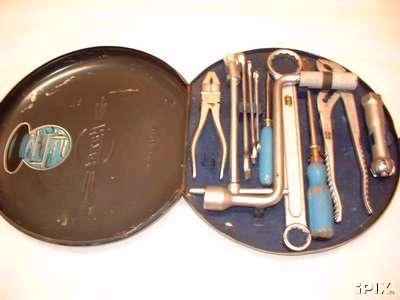
|
Hazet Tool Kit Complete | N.O.S | Complete | $450 | 2003 | Germany |
|
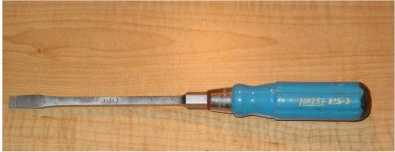
Hazet Screwdriver | MINT | Complete | $35 | 2004 | Germany |
Kamei Accessories
Kamei was a German manufacturer of high-quality accessories for VW vehicles. They specialized in body kits, spoilers, and other styling accessories.
| Photo/Picture | Description | Condition | Complete | Price | Date | Country |
|---|---|---|---|---|---|---|
|
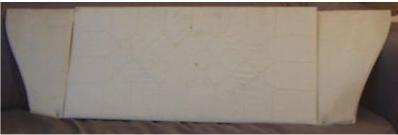
Kamei Rear Spoiler | N.O.S | Complete | $280 | 2003 | Germany |
|
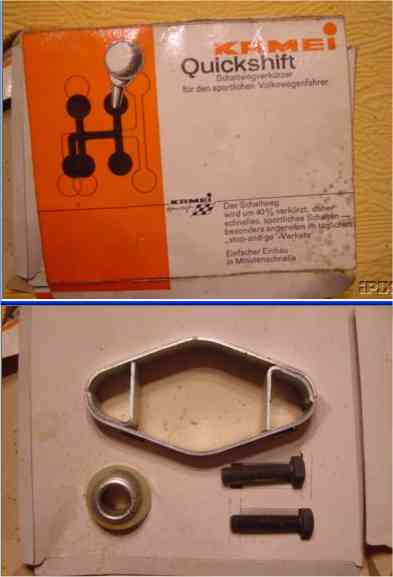
Kamei Quickshift | MINT | Complete | $120 | 2004 | Germany |
Okrasa Performance Parts
Okrasa was a German company that specialized in high-performance engine parts for VW vehicles. They produced cylinder heads, manifolds, and other performance components.
| Photo/Picture | Description | Condition | Complete | Price | Date | Country |
|---|---|---|---|---|---|---|
|
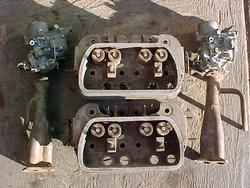
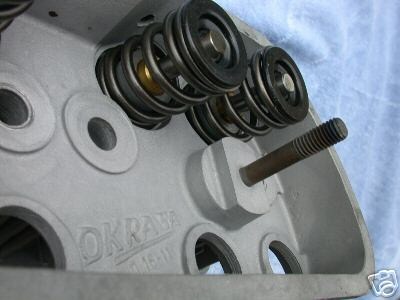
Okrasa 36hp Cylinder Head | N.O.S | Complete | $850 | 2003 | Germany |
|
Okrasa 40hp Cylinder Head | MINT | Complete | $950 | 2004 | Germany |
Abarth Exhaust Systems
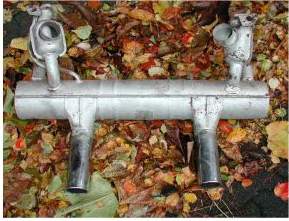
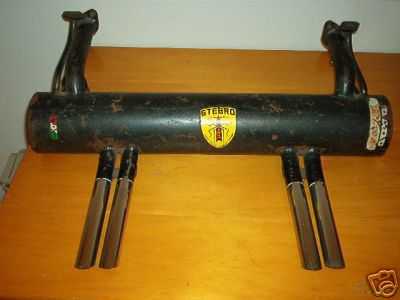
In 1955, VW decided that 2 exhaust outlets were better than one. Abarth pushed that concept further by offering a 4-outlet exhaust!
The sound of an Abarth exhaust is deeper and sportier.
Today it is extremely difficult to find original Abarth exhausts, and only the Japanese manufacturer Flat4 offers reproductions.
| Photo/Picture | Description | Condition | Complete | Price | Date | Country |
|---|---|---|---|---|---|---|
|
Exhaust for 1300/1500 : Type 11 Type 13, Type 14, Type 15 ( years 1973) | Mint | 69€ | 2003 | Germany | |
|
Exhaust for 1200 : Type 11 - 34CV 1960s |
N.O.S | 637$ | 2003 | U.S.A |
Bosch Parts
From 1897, Bosch started installing better-designed magneto ignition devices into automobiles and became the only supplier of a truly reliable ignition within the industry. In 1902, the chief engineer at Bosch, Gottlob Honold, unveiled the high-voltage magneto ignition system with spark plug. This product paved the way for Bosch to become a leading automotive supplier.
| Photo/Picture | Description | Condition | Complete | Price | Date | Country |
|---|---|---|---|---|---|---|
|
|
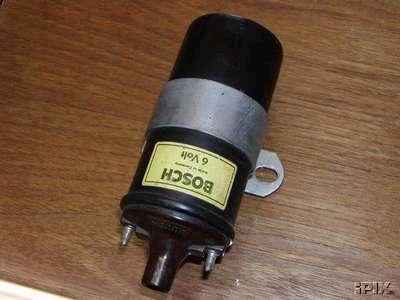
BOSCH 6-volt coil | N.O.S | complete | 42-79$ | 2002 | U.S.A |
|
BOSCH 6-volt coil | Good | complete | 11$ | 03/2002 | U.S.A |
|
|
BOSCH 010 distributor |
N.O.S Mint Average |
complete incomplete |
370$ 70$-150€ 55$ |
2003 2002-2004 2002 |
U.S.A France-U.S.A U.S.A |
Motometer Parts
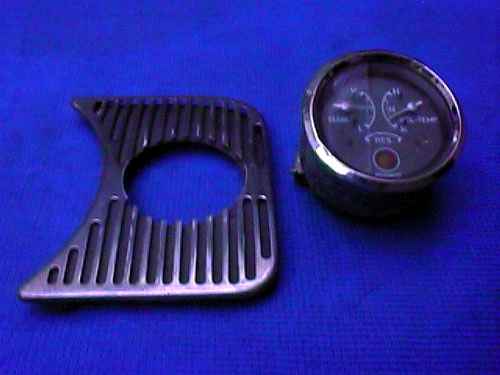
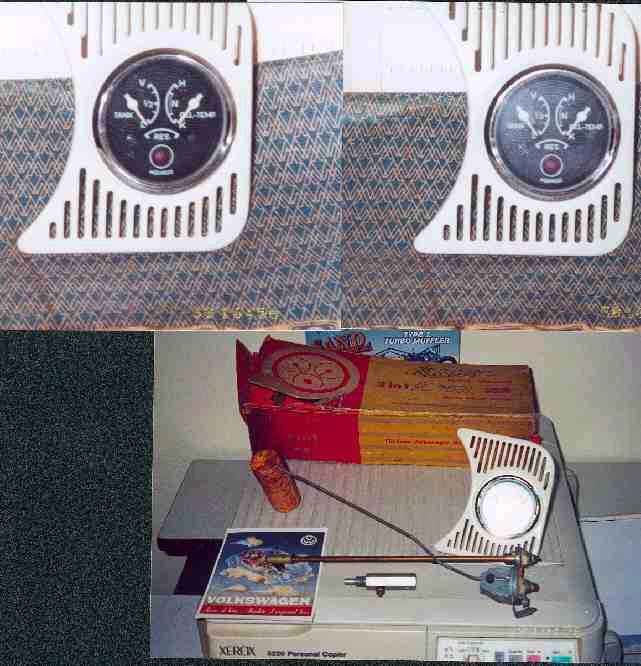
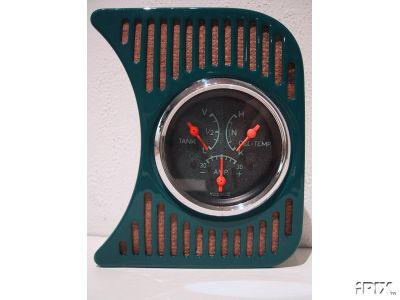
MOTOMETER: maker of the famous 3-in-1 and 2-in-1 gauges, highly sought-after and fairly difficult to find.
| Photo/Picture | Description | Condition | Complete | Price | Date | Country |
|---|---|---|---|---|---|---|
|
Motometer 2-in-1 (Fuel + oil temperature) | Good |
complete without senders |
103$ | 03/2002 | U.S.A |
|
Motometer 2-in-1 (Fuel + oil temperature) | N.O.S |
complete without sender |
300$ 213$ |
03/2002 2003 |
U.S.A |
|
Motometer 3-in-1 (Fuel + AMP + oil temperature) |
Average Poor |
without senders without senders |
130-181$ 22$-41$ |
2002-2005 | U.S.A |
|
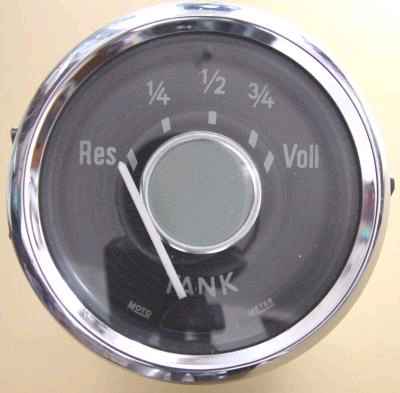
Motometer fuel gauge |
N.O.S Mint |
complete without float |
87$ 90$ |
2002 2003 |
U.S.A |
|
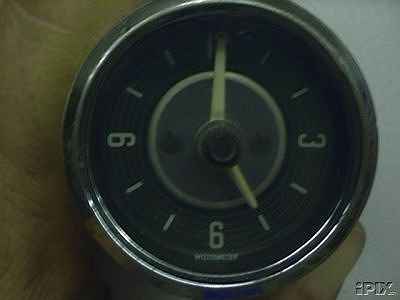
Motometer Rally Pack clock | Mint | 113$ | 2002 | U.S.A | |
|
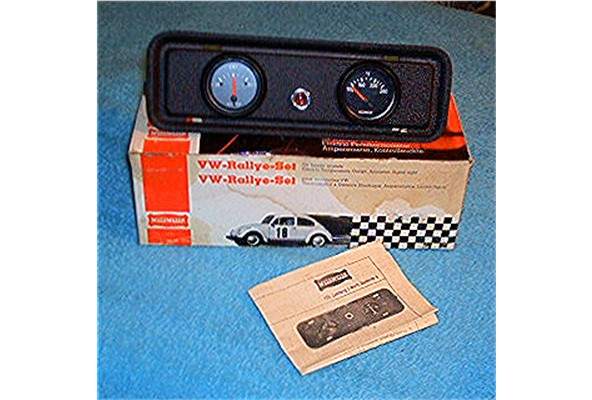
Motometer rally set, 2 gauges Ammeter and oil temperature |
N.O.S Average |
Yes |
51$-140$ 34$ |
2002- 2005 |
U.S.A |
|
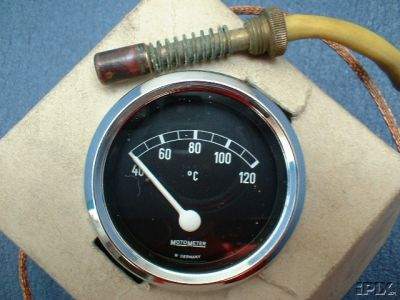
Motometer mechanical oil temperature | N.O.S | Yes | 51€ | 2003 | Germany |
|
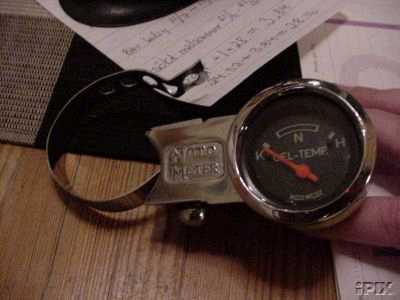
Steering column oil temperature (1959) | N.O.S | Yes | 71$ | 2003 | U.S.A |
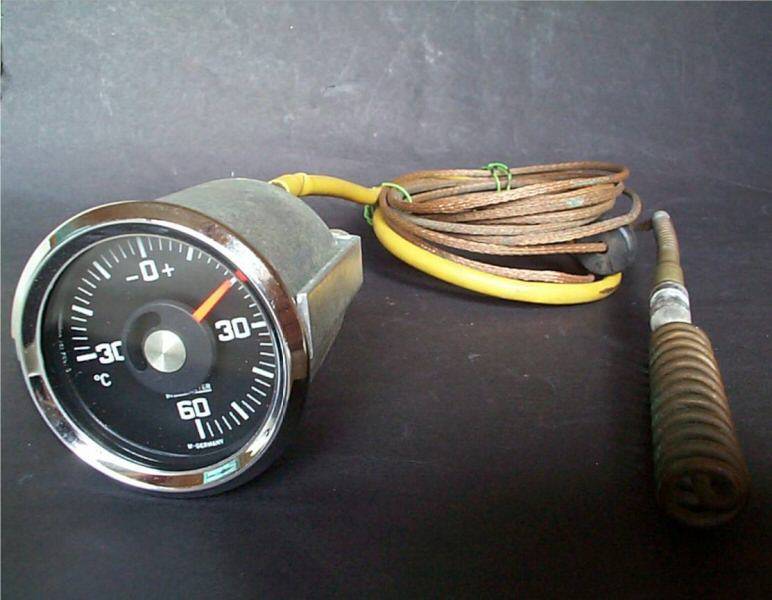
|
Motometer interior/exterior air temperature (1956) Motest brand |
N.O.S | Yes | 405$ | 2004 | U.S.A |
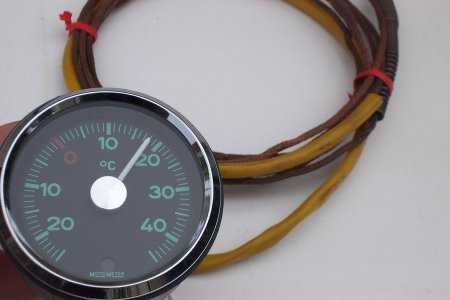
|
Motometer interior/exterior air temperature (-20 / +40) |
Reconditioned Mint |
Yes Yes |
310$ 259$ |
2003 2004 |
U.S.A |
|
|
Motometer interior/exterior air temperature (-30 / +60) | Mint | Yes | 155$ | 2004 | U.S.A |

|
Motometer ammeter -30 +30 | N.O.S | Yes | 48$ | 2003 | U.S.A |
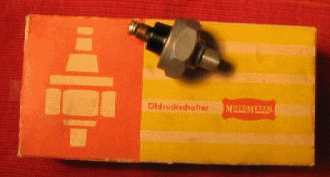
|
Motometer oil pressure sender (1950s) | N.O.S | Yes | 30$ | 2004 | U.S.A |
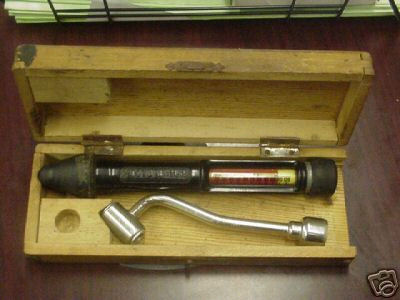
|
Motometer combination compression/tire gauge in original wooden box with metal label | Mint | yes | 51$ | 2004 | U.S.A |
|
|
Oil Temperature Steering Column Gauge (1959) | N.O.S | Yes | 71$ | 2003 | U.S.A |
|
|
Motometer ammeter -30 +30 | N.O.S | Yes | 48$ | 2003 | U.S.A |
|
|
Oil Temperature Steering Column Gauge (1959) | N.O.S | oui | 71$ | 2003 | U.S.A |
|
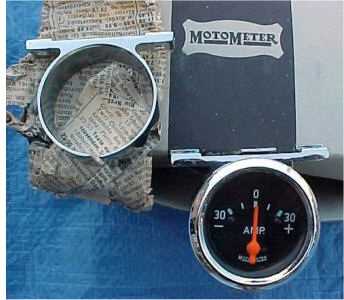
Motometer Ampermetre -30 +30 | N.O.S | oui | 48$ | 2003 | U.S.A |
Hazet Tools
Tools and toolboxes, extremely sought-after and very expensive.
| Photo/Picture | Description | Condition | Complete | Price | Date | Country |
|---|---|---|---|---|---|---|
|
|
Hazet tool box |
N.O.S Mint Good Mint Poor Poor Poor |
N.O.S nearly complete, almost NOS complete missing 1 tool missing 2 tool missing 5 tool missing 8 tool |
759$ 910$ 365$-560$ 565$ 380$ 302$ 135€ |
2004 2003 2002 2007 2002 2002 2003 |
U.S.A |
|
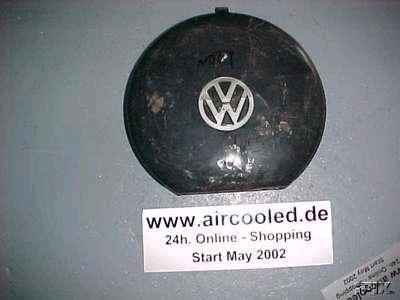
Tool box | Average condition | tools not included | 101$ | 03/2002 | Germany |
|
|
Screwdriver 815-3 from a Hazet tool box | Good | 23$-59$ | 2003-2004 | U.S.A |
Kamei Parts
KAMEI founder Karl Meier started out as an interior equipment constructor at the Volkswagen factory, where he helped develop the legendary Schwimmwagen Typ 166 amphibious car.
| Photo/Picture | Description | Condition | Complete | Price | Date | Country |
|---|---|---|---|---|---|---|
|
|
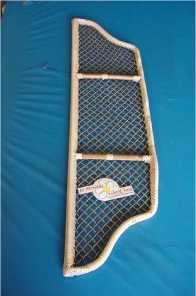
KAMEI rear shelf for Beetle |
N.O.S Mint Average |
101€ 65€ 19€-35€ |
2002-2003 |
Germany France Germany |
|
|
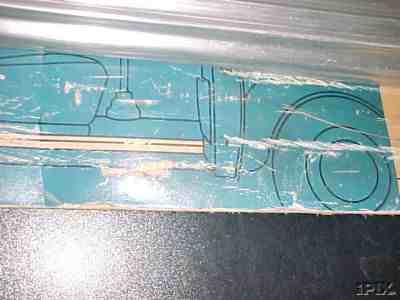
KAMEI aluminum door sills (for 1200-1300 up to 1967) | N.O.S | Yes | 25€ | 2002 | Germany |
|
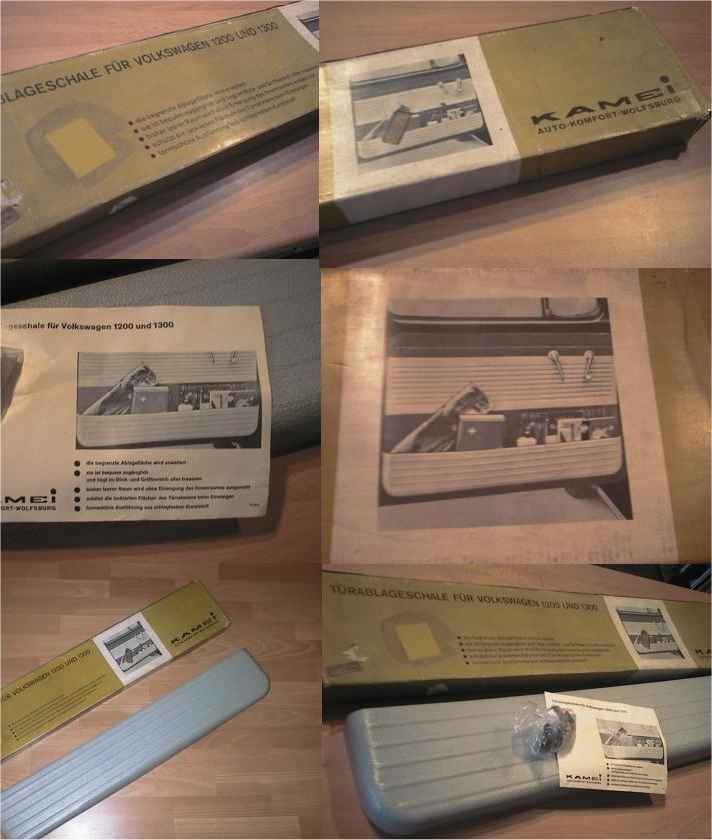
KAMEI Vide poche des 1960s | N.O.S | Yes | 49€ | 2002 | Germany |
|
|
KAMEI Quick shift kamei 1960s | N.O.S | Yes | 20€ | 2002 | Germany |
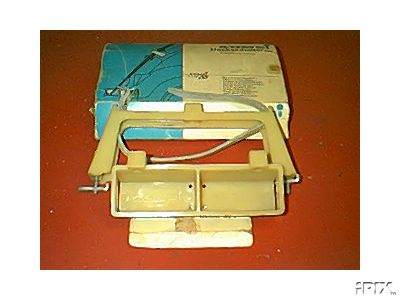
|
KAMEI Ski Rack 1968-... | N.O.S | Yes | ??€ | 2002 | U.S.A |
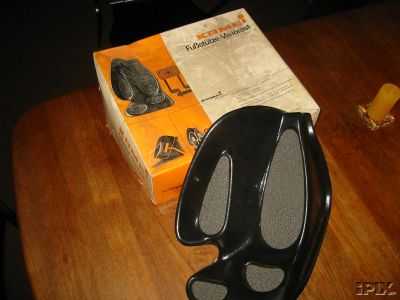
|
Repose pied kamei des 1960s | N.O.S | Yes | 83€ | 2003 | Germany |
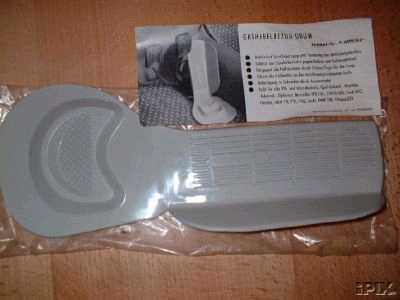
|
KAMEI pedal cover from the 1960s |
N.O.S Poor |
Yes |
56$-88€ 19$ |
2003 2003 |
Germany U.S.A |
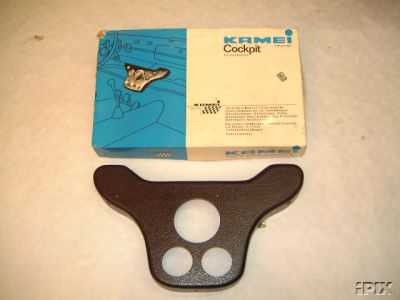
|
KAMEI cockpit for 1960s Beetle | N.O.S | Yes | 35€ | 2003 | Germany |
|
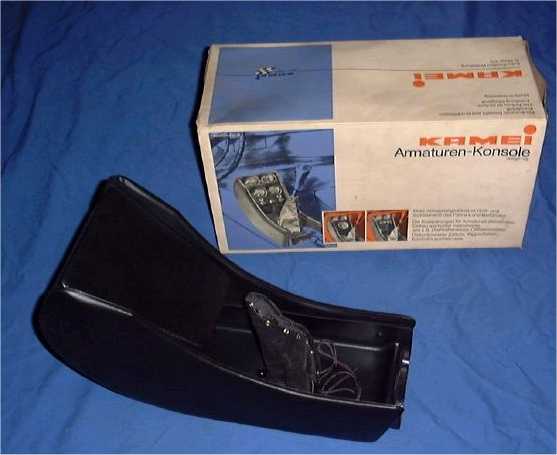
KAMEI center console for Beetle >1967 | N.O.S | Yes | 75€ | 2003 | Germany |

|
KAMEI door sill protection (1960s) | N.O.S | Yes | 18€ | 2003 | Germany |
Okrasa Parts
"Oettinger Kraftfahrtechnische Spezial Anstalt" was the name of the company founded by Gerhard Oettinger in 1951. The company specialised in performance parts for the VW engine and soon some of the VW based coachbuilders such as Dannenhauer & Stauss and Rometsch were using Okrasa engines in their sports cars.
| Photo/Picture | Description | Condition | Complete | Price | Date | Country |
|---|---|---|---|---|---|---|
|
|
OKRASA kit for 36 HP SAE engine (up to 1959) | Average | Yes | >1000$ | 2002 | U.S.A |
|
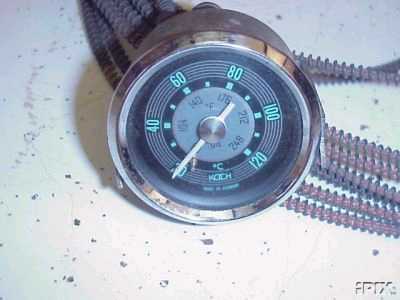
OKRASA Koch mechanical oil temperature | N.O.S | Yes | 334$ | 2003 | U.S.A |
|
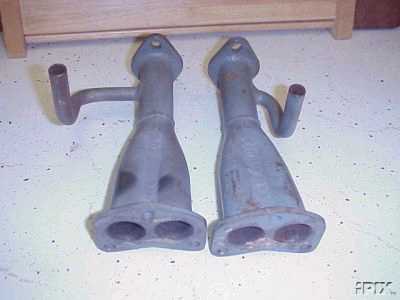
OKRASA manifold support | N.O.S | Yes | 456$ | 2003 | U.S.A |
|
|
Okrasa head for 34 HP engine | N.O.S | Yes | 527$ | 2004 | U.S.A |

|
KOCH mechanical oil temperature sold with OKRASA kits | N.O.S | 425$ | 2004 | U.S.A |
Helphos Parts
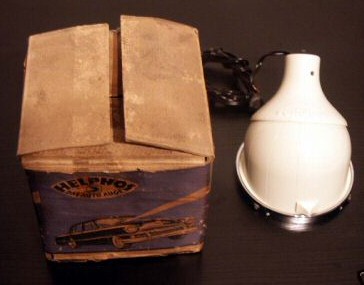
Helphos offered a lamp mounted against the windshield for VW, and also a washer system before it became standard.
| Photo/Picture | Description | Condition | Complete | Price | Date | Country |
|---|---|---|---|---|---|---|
|
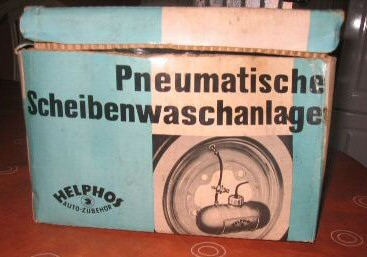
Helphos windshield washer (1950s) windshield cleaner |
N.O.S | 83€ | 2004 | All. | |
|
Lampe Helphos Handlamp, Helphos "suction" spot light |
N.O.S | 51$-112€ | 2004 | All. |
Abarth Parts
In 1955, VW decided that 2 exhaust outlets were better than one. Abarth pushed that concept further by offering a 4-outlet exhaust!
The sound of an Abarth exhaust is deeper and sportier.
Today it is extremely difficult to find original Abarth exhausts, and only the Japanese manufacturer Flat4 offers reproductions.
| Photo/Picture | Description | Condition | Complete | Price | Date | Country |
|---|---|---|---|---|---|---|
|
|
Exhaust for 1300/1500 : Type 11 Type 13, Type 14, Type 15 (years 1973) | Mint | 69€ | 2003 | Germany | |
|
|
Exhaust for 1200 : Type 11 - 34CV 1960s |
N.O.S | 637$ | 2003 | U.S.A |

Happich (GHE) Parts
Happich (GHE) offered accessories for Beetle in the 1950s-60s.
| Photo/Picture | Description | Condition | Complete | Price | Date | Country |
|---|---|---|---|---|---|---|
|
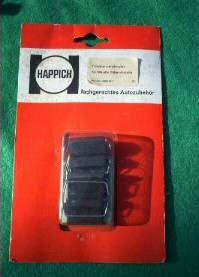
Plastic silencer inserts for door hinges | N.O.S | 22$ | 2004 | EUROPE | |
|
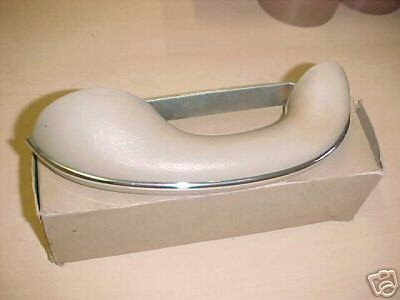
Driver-side armrest | N.O.S | 26$-53$ | 2004 | EUROPE | |

|
GHE catalog, 1950s-60s | Average | 11.50$ | 2004 | EUROPE |
Talbot Parts
50th-60th famous car mirror builder for Jaguar, Porsche...
| Photo/Picture | Description | Condition | Complete | Price | Date | Country |
|---|---|---|---|---|---|---|
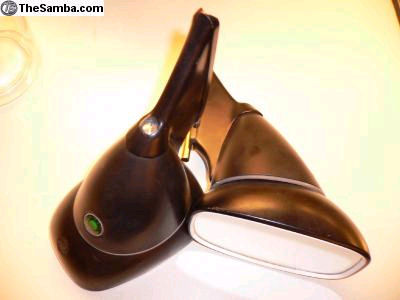
|
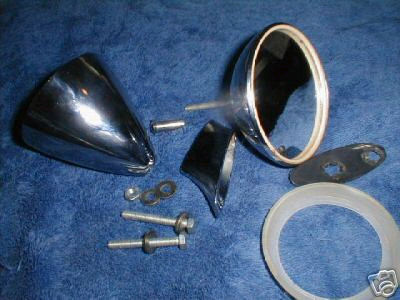
Original Talbot BERLIN Exterior Side Mirror |
N.O.S Mint |
350$ 182$ |
2005 2004 |
U.S.A | |
|
Original Talbot YORK Exterior Side Mirror 70's |
Mint | 70$ | 2005 | U.S.A | |
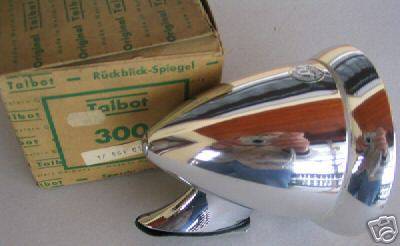
|
1 Original Talbot 300 Exterior Side Mirror | N.O.S | 199$ | 2005 | U.S.A |
RACETRIM
Racetrim Parts
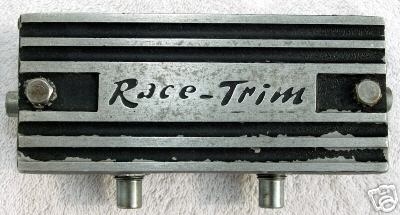
High-performance magnesium and aluminum parts for VW engines
| Photo/Picture | Description | Condition | Complete | Price | Date | Country |
|---|---|---|---|---|---|---|
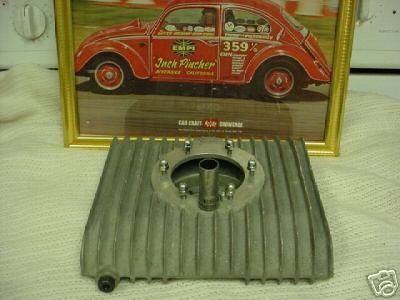
|
Magnesium race trim sump | Mint | 123$-222$ | 2005-2006 | U.S.A | |
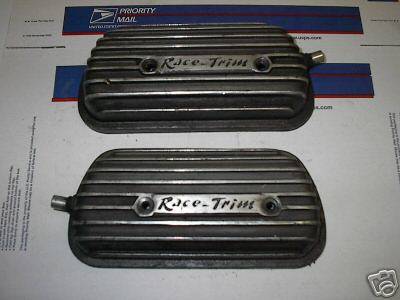
|
Racetrim Valve covers | Mint | 60$-81$ | 2005 | U.S.A | |
|
Racetrim Breather box (70's) | Mint | 284$ | 2006 | U.S.A |
Hurst Parts
American made accessory
| Photo/Picture | Description | Condition | Complete | Price | Date | Country |
|---|---|---|---|---|---|---|
|
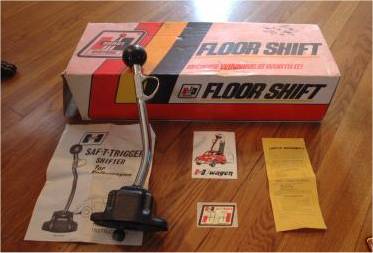
Hurst chrome shifter | N.O.S | 83$-566$ | 2005 | U.S.A |
Hella Parts
After currency reform in 1948, the automobile industry took on a leading role in the German economy. The continually rising sales figures for motor vehicles and the increasing number of people with cars also ensured that this sharp upturn was also felt at WMI. Once more it was Ford and Volkswagen, in particular, who used the products from Lippstadt as standard equipment for their vehicles. Hella headlamps and lights adorned the VW Beetle, the car that symbolised the success of the German economic miracle.
| Photo/Picture | Description | Condition | Complete | Price | Date | Country |
|---|---|---|---|---|---|---|
|
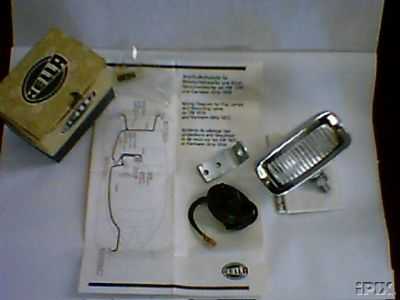
Hella reverse light Pair of reverse/fog lights |
N.O.S N.O.S |
40-46$ 140$ |
2003 2004 |
U.S.A | |
|
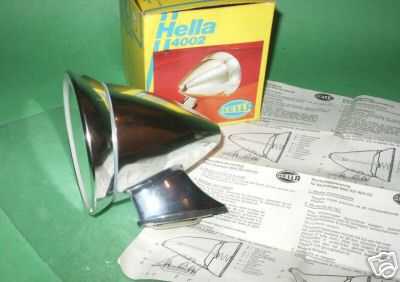
Hella rear-view mirror | N.O.S | 102$ | 2005 | U.S.A |